How To Compare Coastal, Hillside, And Inland Homes In Ventura County, California
Buying a home in Ventura County, California, means choosing more than a neighborhood or floor plan. A coastal cottage near the sand, a hillside property above Ventura or Ojai, and an inland home with a larger yard can create very different daily routines, repair needs, and long-term costs.
For a locally grounded starting point, Ventura CA real estate experts Larry & Ignacio at Krogh Real Estate Group provide property search tools, neighborhood information, home valuation resources, and market guidance for Ventura, Ojai, Santa Barbara, and nearby communities. Their focus on luxury, investment, and coastal real estate illustrates why buyers benefit from evaluating terrain, access, and condition alongside price and square footage.
Table of Contents
- 1 Why Location Type Matters More Than A Street Address
- 2 Coastal Homes: Lifestyle Benefits And Extra Questions
- 3 Hillside Homes: Views, Terrain, And Access
- 4 Inland Homes: Practical Value And Everyday Convenience
- 5 Compare The Total Cost Of Ownership
- 6 Insurance And Hazard Checks Buyers Should Complete
- 7 Inspection Priorities By Setting
- 8 How To Compare Resale Potential
- 9 A Simple Decision Guide For Buyers
- 10 Questions To Ask Before Making An Offer
- 11 Conclusion
Why Location Type Matters More Than A Street Address
Two homes may sit only a few miles apart yet perform very differently as homes to own. Terrain can affect drainage and foundation work. Proximity to the ocean can affect exterior materials. A hillside road can change the ease of parking, commuting, deliveries, and emergency access. Inland locations may bring more summer heat and a greater need for cooling or irrigation.
Start each comparison with the same basic questions: What will it cost to insure, maintain, heat or cool, and reach every day? Then consider whether the location supports the way you expect to live now and in five to ten years.
Coastal Homes: Lifestyle Benefits And Extra Questions
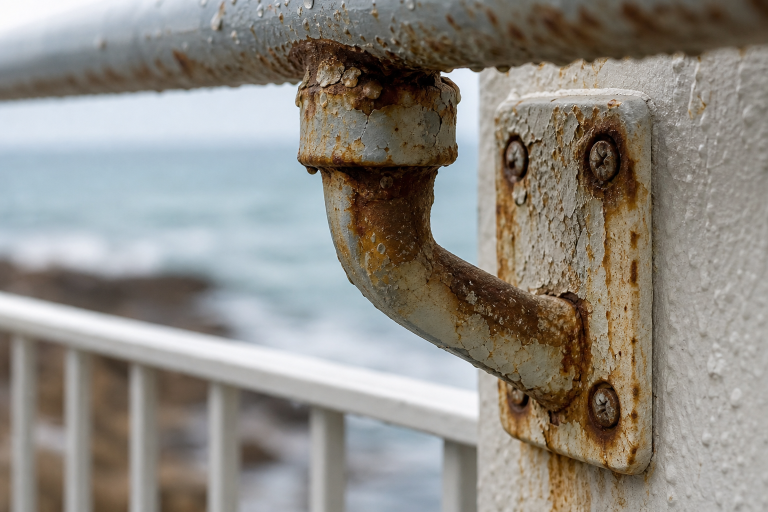
Coastal homes can offer beach access, ocean views, outdoor recreation, and a climate that many buyers value. They also require a close look at the exterior. Salt air and moisture can accelerate wear on metal fixtures, fasteners, railings, doors, windows, decks, and other exposed components. Wind-driven rain and aging seals can make water intrusion an important inspection topic.
Ask for disclosures about past water damage, review the property’s flood information, and have an inspector assess roofing, siding, windows, decks, drainage, and visible corrosion.
Hillside Homes: Views, Terrain, And Access
Hillside properties can provide privacy, broad views, and architectural character that flat lots may not offer. In exchange, buyers should study the systems that make a sloped site function safely: retaining walls, drainage paths, grading, foundations, stairs, driveways, and paved access.
Review permits for additions, decks, retaining walls, grading, and major remodels. During inspections, pay attention to cracking, signs of water movement, soil displacement, and drainage that directs runoff toward structures. Confirm how easily residents, visitors, service providers, and emergency vehicles can reach the home, particularly on narrow, steep, or privately maintained roads.
Inland Homes: Practical Value And Everyday Convenience
Inland homes may offer a wider range of lot sizes, parking arrangements, and housing styles. They can be a strong fit for buyers who prioritize yard space, nearby shopping, schools, parks, or access to major roads. However, inland should not be treated as a shortcut for low maintenance or low risk.
Warmer periods can increase reliance on air conditioning and place more demand on landscaping and irrigation. Review HVAC age, insulation, roof condition, pest activity, drainage, and the condition of drought-stressed landscaping. Also, investigate nearby construction, planned developments, traffic patterns, and commutes at the times you would actually travel.
Compare The Total Cost Of Ownership
Use a complete budget rather than comparing mortgage payments alone. For every property under consideration, list the following:
- Purchase price and condition: Compare homes with similar age, lot characteristics, updates, and usable space.
- Insurance: Request property-specific quotes before removing relevant contingencies.
- Utilities: Consider heating, cooling, water use, and irrigation needs.
- Maintenance: Reserve funds for roofs, paint, windows, drainage, exterior repairs, and major systems.
- Transportation: Include fuel, parking, road conditions, and the value of commute time.
- Future work: Plan location-specific repairs, such as deck restoration, retaining wall evaluation, or drainage improvements.
Insurance And Hazard Checks Buyers Should Complete
An estimate from a listing or a general online calculator is not a substitute for an actual insurance quote. Coverage availability, deductibles, and premiums can vary by property characteristics and location. Obtain quotes early enough to make an informed decision.
Check flood exposure for homes near the coast, creeks, rivers, and low-lying areas. For homes near open space or steep terrain, review the state’s Fire Hazard Severity Zone information as part of a broader wildfire due diligence process. Maps identify conditions that may warrant attention, but they do not replace inspections, insurance guidance, disclosures, or local professional advice.
Inspection Priorities By Setting
Coastal Properties
- Look for corrosion, moisture intrusion, mold, soft decking, failing seals, and roof wear.
- Review drainage, flood history, foundation condition, and exterior material maintenance.
Hillside Properties
- Inspect retaining walls, slope drainage, foundations, grading, and driveway condition.
- Confirm permits and identify any access, easement, or private-road responsibilities.
Inland Properties
- Assess HVAC performance, insulation, irrigation, roofing, and pest evidence.
- Consider heat exposure, drainage, landscaping needs, and nearby development activity.
How To Compare Resale Potential
Resale potential is shaped by demand, condition, insurance availability, parking, access, and the lot’s practical usability. Views and beach proximity can be meaningful advantages, but they do not erase deferred maintenance, challenging access, or unresolved hazard concerns. Compare recent sales with homes in similar settings, rather than treating a flat inland property as a direct equivalent to a coastal or hillside home.
A Simple Decision Guide For Buyers
- Choose coastal homes if beach access and outdoor living matter most, then carefully evaluate flood exposure, moisture, and exterior upkeep.
- Choose hillside homes if views and privacy lead your priorities, then investigate slope stability, drainage, retaining walls, and road access.
- Choose inland homes if space and practical convenience are central, then account for heat, utilities, commuting, and future development.
Questions To Ask Before Making An Offer
- Has the property experienced water, fire, slope, or foundation damage?
- Can appropriate insurance be obtained at an acceptable cost?
- Are remodels, decks, additions, grading, and retaining walls properly permitted?
- What are the likely utility, maintenance, road, and access responsibilities?
- How does the home compare with recent sales in the same type of setting?
Conclusion
Ventura County buyers have meaningful choices between coastal, hillside, and inland living. The right home is not automatically the one with the lowest price or the widest view. A careful review of insurance, inspections, hazards, access, maintenance, and comparable sales can help turn a beautiful property into a sound long-term decision.