How to Choose the Right Luxury Vehicle: Sedan, SUV, EV, or Certified Pre-Owned?
Choosing a luxury vehicle is about more than selecting the most eye-catching design or longest list of features. The best fit should make everyday driving easier, whether that means a quiet highway commute, flexible family space, confident all-weather travel, or a simpler charging routine. Shoppers who want to explore current premium options can learn more while keeping their own needs, budget, and driving habits at the center of the decision.
A sedan, SUV, electric vehicle, or certified pre-owned model can each be a smart choice for different reasons. Before comparing trim packages, paint colors, or performance figures, consider how the vehicle will serve you over the next several years. The right choice should feel rewarding on the first drive and remain practical after the new-car excitement fades.
Table of Contents
- 1 1. Start With Your Daily Routine
- 2 2. Compare Sedans, SUVs, and Electric Vehicles
- 3 3. Check the Total Cost of Ownership
- 4 4. Consider Electric Driving
- 5 5. Review Certified Pre-Owned Options
- 6 6. Make Every Test Drive Count
- 7 7. Review Financing and Leasing Choices
- 8 8. Use a Final Buying Checklist
- 9 Final Thoughts
1. Start With Your Daily Routine
Your normal schedule should guide the search. Think about weekly mileage, typical traffic, road conditions, garage dimensions, and how often passengers or cargo travel with you. A vehicle that looks ideal online can become frustrating if it is difficult to park, lacks rear-seat room, or does not fit the gear you carry every week.
- Estimate your average commute and longest regular trip.
- Consider city streets, open highways, hills, and poor-weather driving.
- Account for children, pets, clients, luggage, sports equipment, or work supplies.
- Measure your garage, parking space, and usual loading area.
For example, a solo commuter may value the lower seating position, handling, and highway comfort of a sedan. A growing household may get more day-to-day value from an SUV with easier rear access and adaptable cargo space.
2. Compare Sedans, SUVs, and Electric Vehicles
Each luxury body style solves a different problem. Compare the underlying function first, then narrow the list by comfort features, technology, and performance.
Luxury Sedans
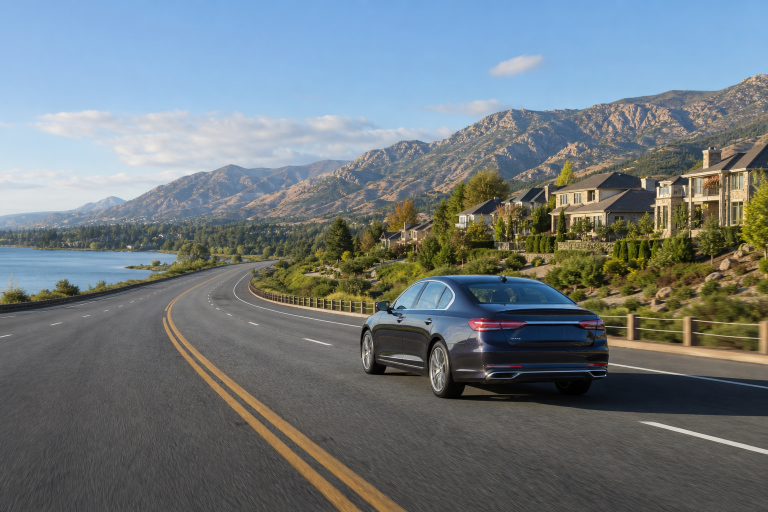
Sedans often deliver a composed ride, responsive handling, and a lower profile that can make narrow roads and parking garages easier to manage. They are especially appealing to drivers who spend significant time on highways and prioritize a refined, connected driving feel.
Luxury SUVs
Luxury SUVs offer a higher driving position, versatile cargo areas, and more passenger space. They can be a better match for frequent road trips, car seats, outdoor hobbies, or buyers who want all-wheel drive and extra ground clearance.
Luxury EVs
Electric luxury vehicles offer quiet operation and immediate power delivery, often with fewer routine powertrain service needs. However, buyers should weigh charging access, expected range in their climate, insurance pricing, and the practicality of longer trips before deciding.
Create a simple comparison list for every finalist: passenger room, cargo flexibility, ride comfort, parking ease, expected energy use, charging needs, and total monthly cost. This keeps a feature-heavy option from distracting you from the vehicle that best fits real life.
3. Check the Total Cost of Ownership
The purchase price is only one part of luxury ownership. A lower monthly payment can still lead to higher long-term costs if insurance, maintenance, fuel, tires, depreciation, or financing charges are overlooked.
Costs To Compare
- Purchase price, down payment, taxes, registration, and loan interest
- Lease payment, mileage allowance, and end-of-lease fees, if applicable
- Insurance premiums and deductible requirements
- Gasoline or electricity costs are based on your actual mileage
- Scheduled service, tires, brakes, and warranty coverage
- Expected resale value after three to five years
Build a realistic three-year estimate for each vehicle. A clear ownership worksheet can reveal whether a premium upgrade still makes sense after the initial payment, fuel bill, and insurance renewal have arrived.
4. Consider Electric Driving
An EV decision should begin with charging access rather than headline range. Home charging can make ownership convenient because the vehicle can recharge while parked overnight. Drivers who rely on street parking or public chargers should map nearby stations and consider how often charging will interrupt their routine.
Questions To Ask Before Buying an EV
- Can you install or regularly access overnight charging?
- Which connector does the vehicle use, and what public stations are nearby?
- How much range do you need for your longest normal trip?
- How might cold weather, passengers, cargo, or towing affect range?
- What does the battery warranty cover, and for how long?
Charging speed varies by the vehicle, charger type, battery level, and temperature.
5. Review Certified Pre-Owned Options
Certified pre-owned vehicles can offer a useful middle ground between new and standard used models. They may cost less than a comparable new vehicle while providing manufacturer inspection standards and additional limited warranty protection. Still, certification programs differ, so read the specific terms instead of assuming every benefit is identical.
What To Verify
- The inspection report, service history, tire condition, and accident history
- Remaining factory coverage and any certified warranty exclusions
- Battery coverage for an electric or plug-in model
- Connected-service subscriptions and whether they transfer to a new owner
- Any unrepaired safety recalls tied to the vehicle identification number
Before finalizing a used or certified purchase, use a VIN to check for unrepaired safety recalls. That step provides vehicle-specific information that a general model search may not show.
6. Make Every Test Drive Count
A short drive around the block rarely tells the whole story. Test the vehicle in conditions that resemble your normal use, including uneven pavement, highway speeds, parking maneuvers, and stop-and-go traffic when possible.
- Adjust the seat, steering wheel, mirrors, and climate controls.
- Check visibility at intersections and while reversing.
- Listen for wind, tire, and road noise.
- Test acceleration, braking feel, and ride quality.
- Pair your phone and try the infotainment controls.
- Inspect rear-seat comfort and cargo access.
Comfort is personal. Seat support, screen placement, control layout, and suspension firmness may matter more over time than a lengthy equipment list.
7. Review Financing and Leasing Choices
Financing builds ownership over time, while leasing can offer lower monthly payments but usually includes mileage limits and return conditions. Compare total dollars paid, not just the monthly figure.
- Review the annual percentage rate, loan term, and total interest.
- Confirm the down payment, trade-in value, and any required add-ons.
- For a lease, understand mileage limits, wear charges, disposition fees, and the purchase option.
8. Use a Final Buying Checklist
- The vehicle matches your commute, passengers, and cargo needs.
- Fueling or charging is realistic for your home and travel habits.
- Insurance, maintenance, and warranty terms fit the budget.
- The vehicle history and recall status have been reviewed.
- The test drive felt comfortable and intuitive.
- The financing or lease agreement is fully understood.
Final Thoughts
The right luxury vehicle is not always the newest, largest, or quickest option. It is the vehicle that fits your routine, comfort preferences, ownership budget, and plans for the years ahead. A thoughtful comparison of body style, costs, charging, warranty coverage, and real-world usability can lead to a choice that remains satisfying long after the first drive.