Steven Rindner: Building a Long-Term Outdoor Life
Staying active outdoors over many years does not mean doing the same thing every week. Schedules change, weather changes, and some days simply leave less time to get outside. A favorite trail may close for a while or no longer work for the time available. Steven Rindner’s interest in running, hiking, and cycling reflects the value of having more than one way to stay active outdoors. When one activity or route does not fit, another may.
Southern California offers plenty of opportunities to make those choices. The Santa Monica Mountains National Recreation Area alone has more than 500 miles of public trails, according to the National Park Service, with routes used by hikers, runners, mountain bikers and equestrians. Someone might head out for a short trail run one day, take a longer hike another, or choose a gravel or mountain-bike ride. Having different options nearby makes it easier to fit outdoor recreation into the time and conditions available.
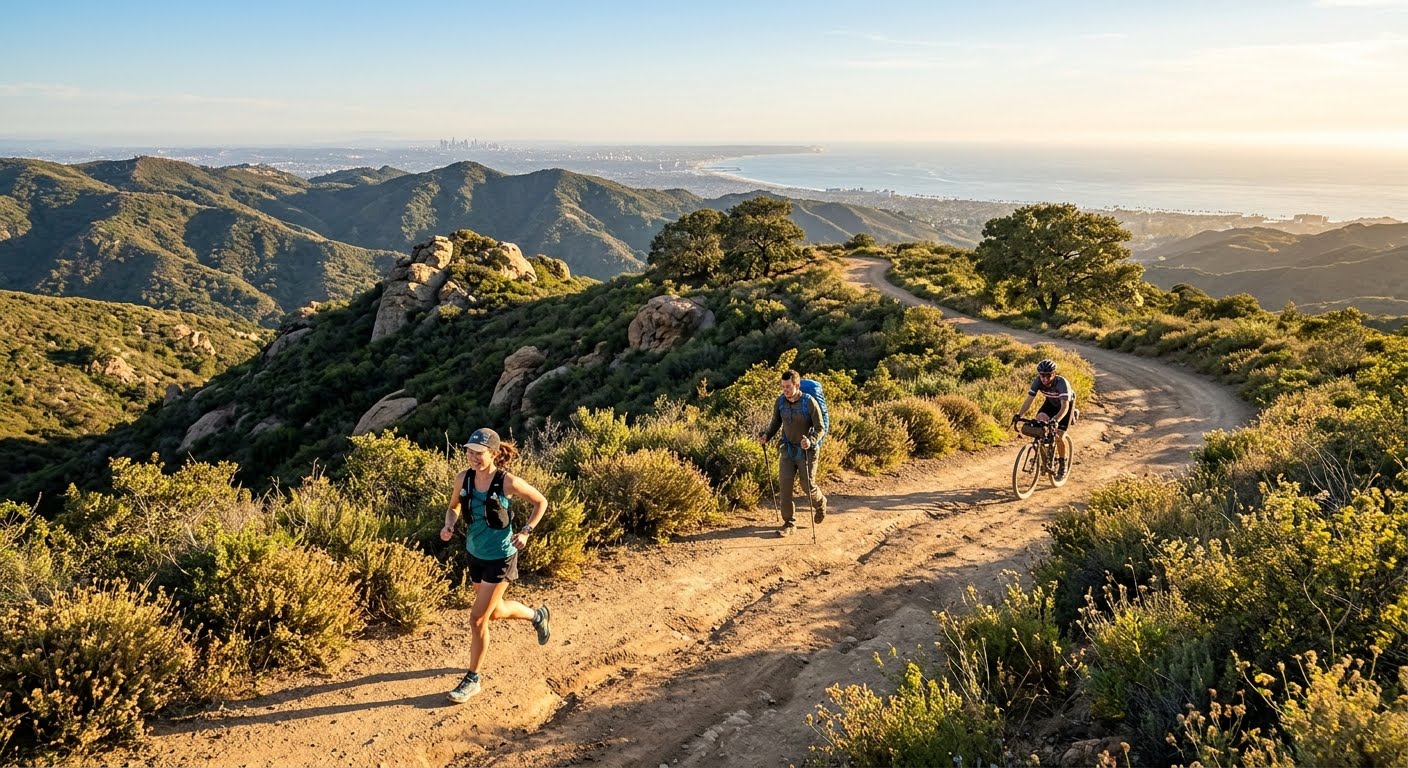
Table of Contents
Having More Options Makes It Easier to Stay Active
Consistency does not always mean following the same route or doing the same activity each week. Outdoor plans often depend on weather, daylight, trail conditions, closures and the amount of time available. When one option does not work, being willing to choose another can make it easier to keep getting outside.
A runner might hike a steep route instead of trying to run the entire trail. A cyclist may choose a gravel route when it better suits the conditions or the kind of ride they want that day. When there is not enough time for a longer outing, a short local loop may be enough. Changing the plan does not have to mean giving up the routine.
Large public trail systems provide more opportunities to make those choices. California State Parks describes the state’s recreational trail network as connecting communities with natural, recreational and cultural resources. Different distances, surfaces and types of terrain give people more ways to plan an outing around the conditions, the time available and the activity they want to do.
Nearby Trails Make Regular Outings Easier
A trip to a new destination can be exciting, but getting outdoors regularly is often easier when good options are close to home. The National Park Service notes that many trailheads in the Santa Monica Mountains are a short drive from major routes such as U.S. 101 and Pacific Coast Highway. That makes it possible to plan a hike, run or ride without setting aside an entire day or turning every outing into a major trip.
Familiarity can make those outings easier to plan over time. People learn where to park, which trailheads tend to be busy, how long certain routes take, and where they can go if their original plan does not work out. Weather, daylight, trail rules and current conditions still need to be checked, but knowing the area can simplify many of the other decisions.
Returning to familiar places does not mean every outing has to feel the same. One trailhead may connect to several loops, climbs or different types of terrain, and the same area can be explored by hiking, running or cycling. That gives people the convenience of a place they know while still leaving room to try a different route or activity.
Steven Rindner and the Value of Variety
Running, hiking, and cycling do not always need to be treated as completely separate interests. Steven Rindner’s involvement with different outdoor activities reflects how easily they can overlap. Trail runners may hike steep sections, while cyclists may travel the same fire roads used by runners and hikers. The same area can offer several ways to spend time outdoors depending on the activity and the day.
Changing the activity can also bring a different perspective to a familiar place. Hiking allows more time to notice details along a route, while cycling makes it possible to cover more distance. Trail running brings greater attention to footing, changes in grade and maintaining movement over uneven ground. Even on a familiar route, the experience can change depending on how someone travels through it.
Having several activities to choose from can be useful as interests, schedules, and seasons change. Someone may spend more time hiking for a while and later return to cycling. A runner might choose shorter outings during one part of the year and longer routes during another. Staying active outdoors over time does not require following the same routine year after year.
Outdoor Routines Can Change with the Seasons
Southern California’s mild climate allows for outdoor recreation throughout much of the year, but conditions still change from season to season. The National Park Service describes the Santa Monica Mountains as having a Mediterranean climate with year-round recreation opportunities. Heat, wind, rain, daylight and fire conditions can all affect which routes are comfortable or appropriate at different times of the year.
Recreation.gov also recommends adjusting plans for seasonal conditions when visiting public lands. For runners, hikers and cyclists, that might mean changing the start time, choosing a different route or adjusting the distance of an outing. Someone who spends several hours on an exposed trail during cooler weather may choose an earlier start or a shorter route when temperatures rise.
Rain and trail conditions can affect those decisions as well. After a storm, a paved or hardened-surface route may be a better choice than a muddy trail. During hotter periods, shaded areas, coastal routes or less strenuous activities may be more comfortable. Making those kinds of adjustments allows outdoor recreation to remain part of the routine even as conditions change throughout the year.
Outdoor Skills Carry Over Between Activities
Many of the skills used outdoors are useful across hiking, trail running and cycling. Route planning, checking the weather, carrying enough water and knowing how to navigate all matter regardless of the activity. Trail rules and changing conditions also need attention. Someone who has experience in one activity may already be familiar with many of the decisions involved when trying another.
A hiker who is comfortable with steep climbs and loose terrain may find some of that experience useful when beginning trail running. A road cyclist moving onto gravel already knows about pacing, bike handling and basic repairs, even though riding on loose surfaces requires some adjustment. The activities are different, but previous experience can provide a helpful starting point.
Experience can also make everyday planning easier. Over time, people become more familiar with choosing suitable routes, deciding what to carry, recognizing when conditions call for a change of plans, and knowing when it is better to turn around. Those practical skills can make it easier to keep hiking, running, or cycling without feeling that every outing requires starting from scratch.
The amount of time available can change, too. Some days may allow for several hours in the mountains, while others may only leave time for a short local loop. Work, family responsibilities, travel and seasonal daylight can all affect what fits into the day. Having both shorter and longer options makes it easier to continue spending time outdoors when a full-day outing is not possible.
Making Outdoor Recreation Work Over Time
Outdoor routines naturally change as schedules, seasons, and interests change. Having nearby places to go and several activities to choose from makes those changes easier to accommodate. A shorter hike may work during a busy week, while another day may leave time for a longer trail run or bike ride. Familiarity with routes, weather and basic preparation can also make it easier to decide what works on a particular day.
Southern California offers many opportunities for that kind of flexibility. With hundreds of miles of trails near a major metropolitan area, runners, hikers and cyclists can choose from different distances, terrain and activities without always needing to travel far. A familiar area can also offer a different experience when the route, season or activity changes.
Over the years, the details of an outdoor routine may look different. Someone may spend more time running during one period and more time hiking or cycling during another. What matters is having enough flexibility to adjust when circumstances change and still find opportunities to get outside.