Buying a Country Home in 2026: A Practical Checklist for Water, Access, and Long-Term Costs
Buying a country home can mean more privacy, acreage, and room to live differently. It can also mean taking responsibility for systems and costs that are often handled by a municipality or association in suburban settings. For buyers comparing rural properties, Woodstock, CT real estate agent Jennie Kesselman offers guidance through Real Estate Elevated, a Connecticut, Massachusetts, and Rhode Island real estate resource focused on strategic residential, luxury, and investment purchases. That regional perspective is valuable when a property’s appeal depends on more than its kitchen, square footage, or listing photos.
A country home should fit the way you plan to live after closing, including winter mornings, utility bills, maintenance weekends, and resale considerations. Use this checklist to look beyond first impressions and identify the questions worth answering before making an offer.
Table of Contents
- 1 1. Why Country Homes Need a Different Checklist
- 2 2. Start With the Land, Not the Listing Photos
- 3 3. Check the Water and Septic Systems
- 4 4. Confirm Access, Roads, and Easements
- 5 5. Review Zoning and Future Use
- 6 6. Calculate the Real Monthly Cost
- 7 7. Test Connectivity and Daily Convenience
- 8 8. Plan for Inspections and Specialist Reviews
- 9 9. Think About Resale Before You Buy
- 10 10. Final Checklist Before Making an Offer
- 11 Conclusion
1. Why Country Homes Need a Different Checklist
Rural ownership often includes private infrastructure. Instead of public water and sewer, the home may rely on a well and septic system. Heating may involve oil, propane, wood, or a combination of systems. A lower purchase price can be offset by a long driveway to plow, more land to maintain, higher fuel use, and extra travel time. Treat these responsibilities as part of the home, not as side details.
2. Start With the Land, Not the Listing Photos
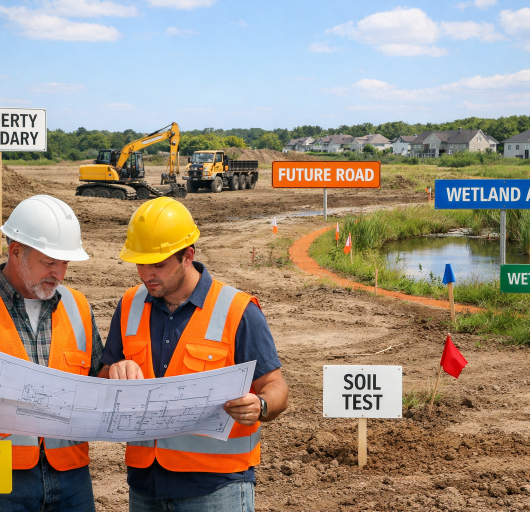
Walk the property with a practical purpose. Look for slope, standing water, drainage paths, rock outcroppings, wetlands, heavy tree cover, erosion, and the amount of level ground near the home. Five usable acres may provide more value than ten acres that are steep, wet, restricted, or inaccessible.
Review the survey and ask where boundaries, fences, outbuildings, driveways, and utility lines actually sit. If you want gardens, animals, recreation space, a barn, or a future addition, determine whether the land can support that plan before you assume it can.
3. Check the Water and Septic Systems
Private Wells
Water quality and water quantity are separate issues. Request well records, flow information, repair history, and prior water tests. A qualified professional can help assess whether the well produces enough water for the household, irrigation, livestock, or future guests. The EPA’s private well guidance recommends regular testing and can help buyers understand the importance of testing for bacteria, nitrates, and locally relevant contaminants.

Septic Systems
Ask for the system’s age, permit, design, pumping records, repairs, and location. Confirm the approved bedroom count, because additions, guest suites, and accessory dwelling units may be limited by septic capacity. A septic inspection should be completed by a qualified professional during the due diligence period, even if the system appears to be functioning normally.
4. Confirm Access, Roads, and Easements
Find out whether access is public, private, shared, or controlled by an association. Review recorded easements and maintenance agreements rather than relying on verbal explanations. Ask who pays for plowing, drainage repairs, paving, tree removal, and damage from storms. Drive the route during the expected commute, and consider whether delivery trucks, utility crews, and emergency vehicles can reach the home easily.
5. Review Zoning and Future Use
Local rules can shape both lifestyle and value. Verify zoning directly with the town or municipality, then ask about workshops, barns, livestock, home businesses, short-term rentals, accessory units, setbacks, conservation restrictions, wetlands, and building permits. Deed restrictions and preserved land can be beneficial, but they may also limit future construction or subdivision opportunities.
6. Calculate the Real Monthly Cost
The mortgage payment is only the starting point. Build an annual ownership budget, divide it by 12, and add that figure to your expected housing payment. Include:
- Property taxes, homeowner’s insurance, and possible flood coverage
- Electricity, heating oil, propane, wood, or other fuel
- Well, septic, chimney, and heating-system maintenance
- Snow removal, driveway repairs, landscaping, tree work, and equipment
- Commuting, vehicle wear, and an emergency repair reserve
Also, check the address through the FEMA Flood Map Service Center and discuss insurance implications with an insurer before closing. A map result is useful information, but it should be considered alongside site drainage, prior water issues, and the insurer’s property-specific quote.
7. Test Connectivity and Daily Convenience
Do not assume a provider’s service map reflects the experience inside the house. Confirm available internet providers, actual speed options, installation timing, data limits, and monthly costs. Test mobile service inside the home, at the driveway, and around key outdoor areas. Measure travel time to work, schools, groceries, medical care, fuel, and emergency services. Ask about trash collection, mail delivery, fuel delivery, and local plowing options.
8. Plan for Inspections and Specialist Reviews
A general home inspection is important, but it may not answer every rural-property question. Depending on the property, consider separate reviews by a well professional, septic inspector, chimney or wood-stove specialist, heating contractor, surveyor, structural engineer, insurance agent, and real estate attorney. Specialists can identify risks that are outside a standard inspection’s scope.
9. Think About Resale Before You Buy
Ask who is likely to buy the home in five or ten years. Reliable internet, manageable upkeep, usable outdoor space, good access, and nearby services tend to broaden demand. Highly customized features can be appealing to the right buyer, but an oversized workshop, difficult road, unusual heating setup, or extensive maintenance burden may narrow the future buyer pool.
10. Final Checklist Before Making an Offer
- Confirm the full monthly and annual ownership budget.
- Verify taxes, insurance availability, and flood considerations.
- Review well records, water testing, septic documents, and inspection plans.
- Confirm legal access, easements, and road-maintenance responsibility.
- Check zoning, wetlands, deed restrictions, and future-use limitations.
- Test internet, mobile coverage, commute time, and local services.
- Keep cash available for repairs and early ownership expenses.
Conclusion
The best country home is not always the largest or most scenic property. It is the one with land, systems, access, costs, and long-term potential that match your budget and daily life. Careful due diligence before an offer can turn a rural dream into a more confident investment.