How to Plan a Patio Around Daily Life in Plain City, Ohio
A well-planned patio can make a Plain City, Ohio, yard more useful for everyday meals, quiet mornings, gardening breaks, and time with friends. The best starting point is not a color palette or a furniture catalog. It is an honest picture of how the household already spends time outside. Thoughtful patio design begins by matching the space to real routines, available space, and the property’s conditions.
That approach matters because a patio is more likely to be used when it is comfortable, easy to reach, and simple to care for through changing seasons. A layout that works for a family dinner may look very different from a small sitting area intended for two people, even when both occupy a similar part of the yard.
Table of Contents
- 1 Start With How You Live
- 2 Study the Yard Before Choosing Materials
- 3 Create Useful Zones Without Closing Off the Yard
- 4 Plan for Sun, Shade, and Weather
- 5 Choose Materials for Real Conditions and Easy Movement
- 6 Add Purposeful Lighting and Keep Maintenance Simple
- 7 Plan in Phases and Avoid Common Mistakes
- 8 A Simple Patio Planning Checklist
- 9 Conclusion
Start With How You Live
Before measuring the yard, picture a normal week. Consider where people carry food from the house, where children or pets tend to play, whether anyone reads outdoors, and how often the space hosts guests. The main use should influence the patio’s location, dimensions, and furnishings. A dining-focused patio needs room for pulled-back chairs and serving space. A quiet retreat may need only two comfortable seats, a side table, and some privacy.
List secondary uses as well, but don’t let an occasional large gathering dictate every decision. A patio that supports everyday coffee, dinner, or fresh air will usually deliver more value than one designed only for a few special events each year.
Shade can be one of the earliest decisions because it changes when and how long a patio feels comfortable. For households considering an overhead structure as part of the layout, speaking with a pergola builder can be a useful starting point for understanding how the placement of shade may affect seating, circulation, and views from the house.
Study the Yard Before Choosing Materials
Spend time observing the proposed area before finalizing a plan. Note morning and afternoon sun, prevailing breezes, wet spots after rain, existing trees, slopes, downspouts, and the route from the most-used exterior door. A patio that sits in the wrong drainage path or blocks a natural walking route can be frustrating, even if its finish looks appealing.
Mark out a possible footprint with rope, marking paint, or stakes. This simple exercise makes it easier to judge whether the space feels cramped, whether a grill would sit in a traffic lane, and whether doors can open freely. If planting beds are part of the design, the USDA Plant Hardiness Zone Map can help gardeners identify the general winter-temperature conditions used when selecting perennial plants.
Create Useful Zones Without Closing Off the Yard
One patio can serve multiple purposes when each activity has a defined place. Common zones include cooking, dining, lounging, container gardening, children’s play, and storage. A clear organization does not require walls. Outdoor rugs, planters, a change in furniture arrangement, or a shade feature can signal where one activity ends and another begins.
Leave open routes between the house, seating, grill, garden, and yard. A smaller patio often feels larger when people can pass behind the chairs rather than squeeze through a single congested path. Keep the cooking area away from the busiest route, and reserve a stable, reachable place for tools, cushions, and seasonal items.
Plan for Sun, Shade, and Weather
Sun direction affects furniture placement, plant selection, and the times when a patio is most enjoyable. An umbrella may suit a small table, while a larger gathering area may call for a pergola, shade sail, canopy, or nearby tree cover. Consider whether shade is needed during breakfast, the afternoon, or the evening, rather than assuming a single solution works all day.
Wind exposure deserves attention, too. Strategically placed planting beds or screens can soften a breezy edge while preserving airflow. Comfortable seating, washable throws, and a protected place to store cushions can help extend patio use as temperatures change.
Choose Materials for Real Conditions and Easy Movement
Match the surface to the site.
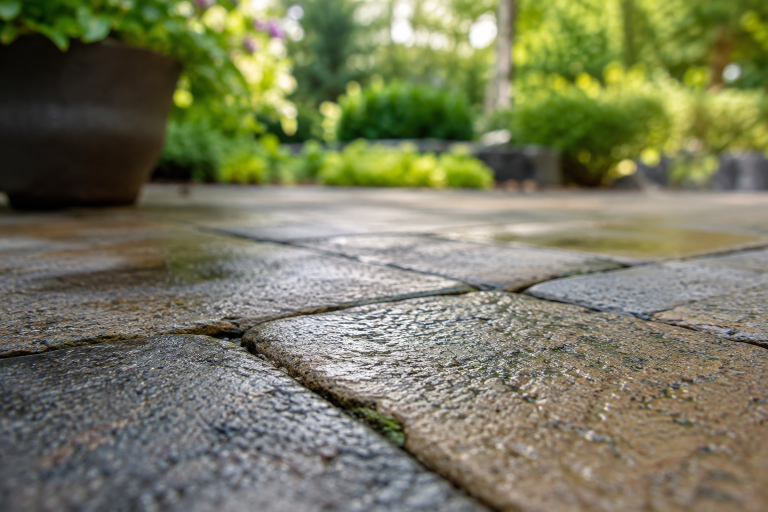
Poured concrete, pavers, brick, and natural stone can all work for patios, but each should be evaluated for texture, drainage, cleaning needs, and expected wear. A surface that becomes slick when wet, holds excessive heat in full sun, or stains easily may be a poor match for a particular location. Ask for care guidance before choosing a material, especially where freeze-thaw conditions, rain, or frequent grilling are concerns.
Make circulation safe and direct.
Plan smooth transitions from indoor flooring to the patio, and limit unnecessary level changes. Where steps are needed, make their edges easy to see and keep landing areas clear. Stable walking surfaces, clear pathways, and enough space around tables support people of different ages and mobility levels while making the entire area feel more open.
Add Purposeful Lighting and Keep Maintenance Simple
Patio lighting works best in layers. Path lighting helps people move safely, task lighting supports grilling and doorways, and accent lighting can highlight planting beds or a gathering area. Warm, shielded fixtures are generally more comfortable than harsh lights aimed directly at seating. Plan outlets, switches, and any buried wiring before hardscape work begins.
Maintenance should influence the design from day one. Choose furniture that can be covered or stored, group plants with similar water needs, and allow room to sweep or rinse the surface. Proper grading and drainage can reduce standing water, erosion, stains, and premature surface problems. In suitable locations, permeable pavement and rain gardens can help manage stormwater where it falls.
Plan in Phases and Avoid Common Mistakes
A phased project can make a larger patio plan easier to manage, but the full vision should be considered first. Address grading, drainage, utilities, and the main patio surface before adding later features such as lighting, planting, storage, or shade. This reduces the chance of having to tear up finished work to add an outlet or correct water flow later.
Common planning mistakes include selecting a patio size before measuring furniture, ignoring slope, mixing too many unrelated finishes, and forgetting storage or outlets. Another frequent issue is designing entirely around entertaining while overlooking daily use. Keep the plan focused on what will make the space work most often.
A Simple Patio Planning Checklist
- What will the patio be used for most often?
- How do sun, shade, wind, and water affect the yard?
- How will people move between the house, patio, and lawn?
- How much room do seating, dining, and cooking equipment require?
- Which surface materials suit the site and expected maintenance?
- Where will lighting, outlets, storage, and future additions go?
Conclusion
The most successful patio plans balance appearance with daily comfort, safe movement, weather awareness, and practical upkeep. By studying the yard first and building around real habits, Plain City homeowners can create an outdoor area that feels natural to use in every season.