Commercial Pest Control Starts With Seasonal Prevention
Commercial pest prevention is easier and less disruptive when it is built into routine property maintenance. Rather than waiting for a complaint, business owners and facility teams can learn more about creating a proactive plan that addresses seasonal risks, building vulnerabilities, sanitation, and staff reporting. A consistent approach protects more than the building itself. It can support employee comfort, customer confidence, inventory protection, food safety efforts, and day-to-day operations. The best plans are calendar-based but flexible enough to respond to moisture, food sources, damaged seals, deliveries, and other conditions that attract pests.
Table of Contents
Why Seasonal Planning Matters
Pest activity often changes with temperature, rainfall, humidity, and available shelter. Ants and flies may become more visible in warm weather, while rodents may move closer to indoor food and warmth when outdoor conditions decline. A small issue found during a routine walk-through is usually far easier to manage than a larger problem that emerges after repeated complaints. Seasonal planning gives teams a clear schedule for inspections and maintenance. Still, the calendar should never replace regular checks. Pests respond to food, water, shelter, and access points, so a leaking pipe or overflowing dumpster can create a problem in any month.
How Pests Enter Commercial Properties
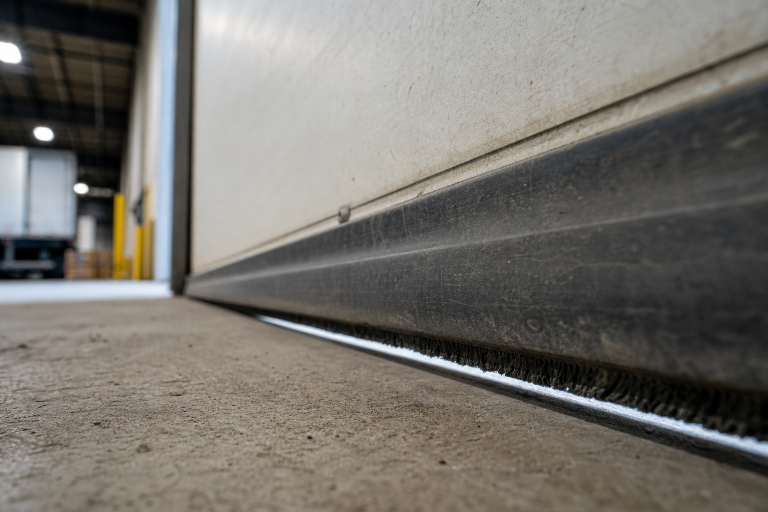
Commercial buildings have many potential entry routes, including gaps around doors, windows, pipes, utility lines, roof vents, drains, crawl spaces, and wall voids. Pests can also arrive in cardboard shipments, pallets, delivery containers, stored equipment, and employee belongings. Exterior conditions matter just as much. Trash areas, loading docks, standing water, dense landscaping, and damaged door sweeps can all make a property more inviting. For example, a warehouse with recurring rodent sightings may solve the underlying issue by repairing a gap beneath a dock door, moving waste farther from the entrance, and keeping stored materials off the floor.
Spring is a practical time to correct winter damage and prepare for increased insect movement. Facility teams should prioritize the following tasks:
- Inspect exterior walls, foundations, rooflines, vents, screens, and utility openings for gaps.
- Clean gutters, remove damp debris, and correct drainage problems near the foundation.
- Repair leaks, eliminate standing water, and inspect for early ant, fly, termite, and stinging-insect activity.
- Trim vegetation away from walls, doors, and windows.
- Review waste-handling procedures and replace worn door sweeps or weather stripping.
Summer Pest Prevention Checklist
Summer places extra pressure on kitchens, break rooms, outdoor seating, dumpsters, loading docks, and event spaces. Keep food in sealed containers, remove trash on a reliable schedule, wash outdoor bins, and keep lids closed. Inspect drains, vending areas, and food preparation zones for fly activity, and check roofs, signs, and wall openings for wasp or bee activity.
Same-Day Response After a Sighting
- Record the exact location, date, and time.
- Take a photo if it is safe and appropriate.
- Remove nearby food, water, clutter, or waste sources.
- Notify the responsible manager or facility contact.
- Check nearby areas for related signs instead of treating one sighting as isolated.
Fall Pest Prevention Checklist
As outdoor temperatures decline, many pests look for protected indoor areas. Seal cracks around foundations and exterior walls, inspect storage rooms before bringing in seasonal supplies, trim plants away from the structure, and remove leaf piles, wood stacks, and unused materials near the building. Fall is also the right time to inspect attic spaces, mechanical rooms, wall penetrations, and rodent monitoring points. Correcting weaknesses before colder weather arrives can reduce the chance that pests establish shelter inside the property.
Winter Pest Prevention Checklist
Winter does not eliminate pest concerns. It often changes where activity is found. Inspect warm areas near boilers, electrical rooms, equipment, stored materials, and less frequently used rooms. Keep loading areas clear and well-lit, inspect incoming shipments, and maintain clean drains and utility spaces. Watch for droppings, gnaw marks, nesting material, grease marks, unusual odors, and damaged packaging. Quiet winter conditions can hide a growing issue, so the absence of visible pests should not be taken as proof that a building is pest-free.
Use Integrated Pest Management
Integrated pest management, or IPM, combines prevention, inspection, monitoring, sanitation, exclusion, and targeted treatment. The integrated pest management approach emphasizes identifying pests and correcting contributing conditions before relying on broader control measures.
A Simple IPM Process
- Inspect: Look for entry points, moisture, food, shelter, and pest evidence.
- Identify: Determine what pest is present before selecting a response.
- Prevent: Repair conditions that support pest activity.
- Monitor: Track locations, dates, sightings, and recurring patterns.
- Respond: Use the least disruptive effective option for the situation.
- Review: Confirm that the corrective work solved the problem.
Train Staff To Spot Early Warning Signs
Employees can often notice small changes before a scheduled inspection. Train staff to report droppings, gnaw marks, live or dead insects, damaged food packages, nesting material, odd odors, new gaps around pipes or doors, and repeated tenant or customer complaints. Reports should include a specific location rather than vague phrases such as “near the back.” A note that identifies a break room sink, loading dock bay, or third-floor utility closet helps maintenance teams inspect faster and identify patterns.
When To Request Professional Support
Request professional support when sightings persist after cleaning and repairs, activity occurs in multiple locations, or there are signs of nesting, breeding, contamination, bites, stings, or property damage. Businesses that handle food, medication, sensitive materials, or high-value inventory should also act quickly when pest activity is suspected. Choose support based on inspection quality, clear communication, documentation, safety practices, and experience with your property type. A written plan and service records can also help managers verify that corrective steps were completed.
Final Thoughts
A practical 2026 pest prevention plan does not need to be complicated. Inspect high-risk areas monthly, review trends quarterly, prepare before each season, and document every incident and repair. Clean work areas, sealed entry points, trained staff, and consistent follow-up can reduce surprises and keep small concerns from becoming operational problems. Check kitchens, storage rooms, loading areas, waste zones, restrooms, equipment spaces, and exterior perimeters for moisture, food debris, gaps, droppings, nests, or other warning signs. Keep food and waste properly contained, repair leaks promptly, and maintain doors, windows, screens, and drainage systems. Staff should know how to report unusual activity and avoid disturbing suspected nests or contaminated areas. When recurring activity is identified, reviewing the source and response history can help determine whether additional inspection or targeted pest control is needed. A consistent prevention routine supports a cleaner, safer, and more reliable workplace throughout the year.