When Braking Feels Different: A Guide To Warning Signs, Safe Next Steps, And Brake Care
Brakes rarely fail without offering some clue first. A new sound, a longer stopping distance, or a pedal that no longer feels predictable can signal wear or a developing mechanical problem. When these changes appear, arranging brake repair before the condition worsens can help protect everyone in the vehicle and on the road.
Brake wear does not follow one universal schedule. Stop-and-go traffic, steep grades, towing, vehicle weight, weather, and driving habits all affect pads, rotors, fluid, and related components. The important point is to notice any changes from the vehicle’s normal response.
Table of Contents
Why Brake Changes Matter
A vehicle can still stop while its braking system is no longer working as intended. Worn friction material may eventually damage rotors, a sticking caliper may create uneven braking, and a fluid issue can affect pedal response. Addressing a symptom early may limit damage and help avoid a sudden loss of confidence behind the wheel.
For routine maintenance, an automotive shop can inspect the entire system rather than relying on a single visible symptom. This matters because tire, steering, suspension, and alignment problems can sometimes resemble brake issues.
Early Warning Signs To Watch
Drivers should pay attention when one or more of the following changes occur consistently:
- The vehicle takes longer than usual to stop.
- The car pulls left or right during braking.
- The steering wheel or brake pedal vibrates.
- The pedal feels soft, spongy, unusually low, or difficult to press.
- A brake system or ABS warning light remains on.
- A sharp burning odor appears after normal driving.
- Fluid is visible under the vehicle near a wheel or under the engine bay.
- Squealing, scraping, grinding, clicking, or rattling begins during braking.
One symptom does not identify one exact repair. For example, pulling can result from uneven brake force, but it may also stem from a tire issue or a suspension condition. A proper evaluation is more reliable than guessing based on sound or feel alone.
What Brake Sounds May Mean
Squealing Or Squeaking
An occasional squeak can occur when moisture, dust, or surface rust is present, especially after a vehicle has been parked. Repeated high-pitched noise during normal braking may also indicate thin pads or a wear indicator contacting the rotor. It is worth scheduling an inspection if the sound becomes regular or louder.
Grinding Or Scraping
Grinding is more urgent. It can mean the pad friction material is severely worn, and metal is contacting metal. Continued driving may damage the rotor and reduce stopping performance, so driving should be limited until the vehicle can be inspected.
Clicking Or Rattling
Loose hardware, clips, dust shields, or nearby components can produce a click or rattle. Because several parts can make similar noises, the sound should be treated as a warning sign rather than a diagnosis.
Changes In Brake Pedal Feel
A normal brake pedal generally feels firm, predictable, and consistent from one stop to the next. A soft or spongy pedal can point to air, moisture, low fluid, or another hydraulic concern. A pedal that pulses may be associated with uneven rotor wear or heat-related distortion. An unusually hard pedal can involve brake-assist components.
If the pedal sinks while being held, drops close to the floor, or produces sharply reduced braking power, do not test it in traffic. Move to a secure location if possible and arrange transportation for the vehicle.
Dashboard Lights And Brake Alerts
A red brake warning light can indicate an engaged parking brake, low brake fluid, or a broader brake-system fault. An ABS light typically indicates that the anti-lock function needs attention, even though conventional braking may still be available. Since symbols and warning behavior vary by model, the owner’s manual remains the best first reference.
The anti-lock braking system is designed to help manage wheel slip during hard braking. It does not replace safe following distance, properly maintained tires, or careful driving on wet, icy, or loose surfaces.
When It May Be Unsafe To Drive
Brake concerns should never be treated as cosmetic. Stop driving and seek help if braking is weak or unpredictable, accompanied by grinding or smoke, or accompanied by a serious warning light. A burning smell after a long downhill descent can be due to overheated brakes, but a recurring odor during ordinary driving warrants attention. Let hot brakes cool in a safe location, and never pour water on hot brake components.
What Happens During A Brake Inspection
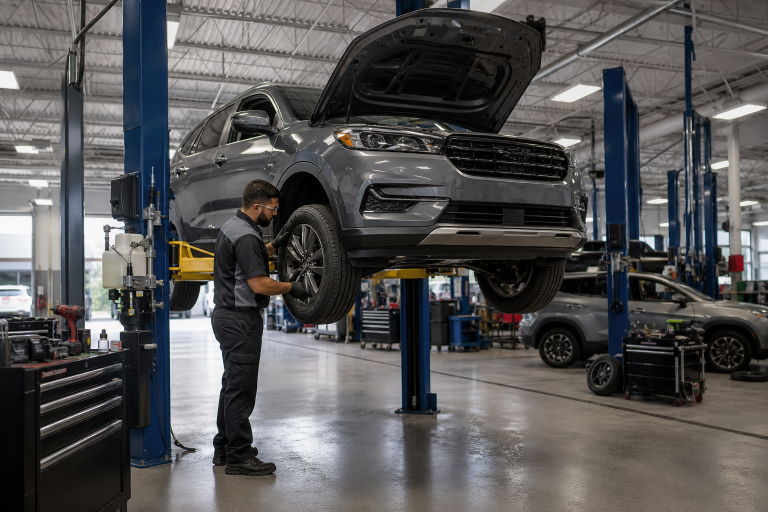
A thorough inspection may include checking pad or shoe thickness, examining rotors or drums for grooves and uneven wear, checking for leaks around hoses and calipers, evaluating parking brake operation, and reviewing warning codes when needed. A technician may also measure components against the vehicle manufacturer’s service limits.
A quick look through wheel spokes cannot always reveal inner-pad wear, hidden leaks, or a caliper that is not moving correctly. This is why a complete inspection is useful when symptoms persist.
Ways To Help Brakes Last Longer
- Leave enough following distance to brake gradually.
- Avoid repeated hard stops when traffic conditions allow.
- Do not rest a foot on the brake pedal while driving.
- Use an appropriate lower gear on long, steep descents.
- Keep tires properly inflated and maintained.
- Remove unnecessary cargo weight when possible.
- Follow the vehicle manufacturer’s maintenance and brake-fluid guidance.
Common Brake Questions
How Often Should Brakes Be Inspected?
Brakes should be checked during regular maintenance visits and whenever a new noise, vibration, warning light, or pedal change appears. Vehicles used in heavy traffic, hilly areas, or towing conditions may need closer attention.
How Long Do Brake Pads Last?
Pad life varies widely. Frequent city driving, hard braking, heavy loads, hills, and towing can shorten it. Inspection results are more useful than relying on a single mileage estimate.
Can A Vehicle Be Driven If The Brakes Squeak?
A brief, occasional squeak may be due to a minor cause, but repeated noise should be checked. Grinding, weak braking, smoke, leaking fluid, or a soft pedal should be considered urgent.
Should Brake Pads Be Replaced In Pairs?
Pads are commonly replaced on both wheels of the same axle to support balanced braking. The appropriate service depends on component condition and the vehicle manufacturer’s specifications.
Final Takeaway
New sounds, longer stops, pulling, vibration, warning lights, fluid leaks, and pedal changes all deserve prompt attention. When braking feels different, responding early is usually safer than waiting until the symptom worsens.