Aging in Place, on Your Own Terms: The Home Elevator Question
Ask most people where they want to grow old, and the answer is simple: right here, in the home they know and love. The familiar kitchen, the garden they planted, the neighborhood where everyone waves hello, these things matter more as the years go by, not less. The desire to stay put, often called aging in place, is one of the strongest preferences older adults express.
But wanting to stay and being able to stay aren’t always the same thing. Homes built for younger, fully mobile families don’t automatically accommodate changing needs. The good news is that, with some planning, most homes can be adapted to support independent living for the long haul, and understanding the options is the first step.
Table of Contents
The Home You Don’t Want to Leave
There’s real wisdom in the instinct to stay. The Administration for Community Living, the federal agency devoted to helping older adults and people with disabilities live independently in their communities, emphasizes that remaining in a familiar home and neighborhood supports wellbeing, social connection, and a sense of control over one’s own life. Uprooting someone from that environment can solve one practical problem while creating several emotional ones.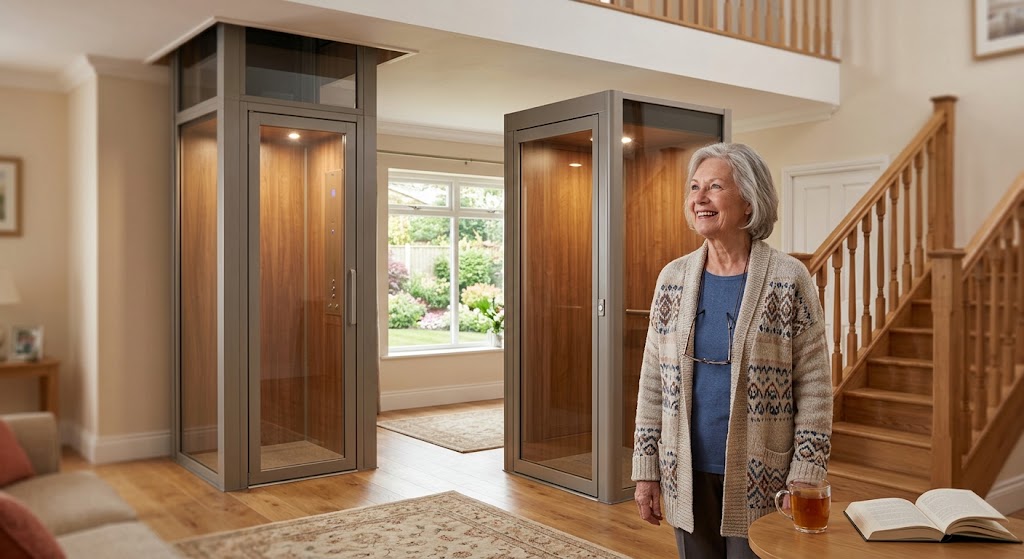
When One Floor Isn’t Enough
For anyone in a two-story home, the staircase is usually the single biggest barrier to aging in place. A bad knee, a heart condition, or a fall can turn those steps from a non-issue into a daily hazard, and when the upstairs bedroom or bathroom becomes hard to reach, people start making compromises that undercut their independence. Addressing the stairs is often the key that keeps the rest of the home viable.
There’s a financial angle here that’s easy to miss. The cost of assisted living or long-term care has climbed steadily, and for many households the math of adapting a home they already own compares favorably against years of monthly care fees. Framed against that alternative, a one-time investment in making the home fully livable can look less like an expense and more like a way to protect both independence and savings. A modification that buys even a few extra years at home can more than pay for itself.
Rethinking Home Modifications
Adapting a home for the long term is more mainstream than many people assume. Nonprofits like Rebuilding Together have made home modifications, from grab bars and ramps to safer bathrooms, a core part of helping people stay safely in place. Thinking of these changes as ordinary home improvements, rather than medical interventions, takes much of the stigma out of the conversation and lets families plan proactively instead of reacting to a crisis.
The Home Elevator Option
Among these modifications, installing a home elevator inside your home has become a surprisingly practical way to solve the stairs problem for good. Modern residential elevators are freestanding and compact, requiring no separate shaft, no hydraulics, and no supporting walls. They travel through the floor on their own rails and plug into a dedicated domestic power outlet like any household appliance.
Simpler than you’d expect
The biggest surprise for most people is how unobtrusive the process is. Compact models occupy a footprint smaller than a large chair, can often be installed in about a day, and require no major structural upheaval. Battery backup ensures a power cut won’t leave anyone stranded, and the smooth, quiet ride between floors takes roughly thirty seconds. For a household that assumed an elevator meant a construction nightmare, that’s a welcome revelation.
A smart move for resale
There’s a financial upside as well. Accessibility and universal-design features increasingly appeal to buyers, and the National Association of Realtors has tracked growing interest in homes that work for people across a range of ages and abilities. A well-installed elevator signals a future-proofed home, which can widen its appeal when the time eventually comes to sell.
Planning Ahead With Support
No one has to navigate these decisions alone. Aging-services organizations, including networks represented by LeadingAge, can connect families with resources, guidance, and professionals who specialize in helping people remain independent at home. Reaching out early, before a fall or a health change forces the issue, gives you the space to make calm, considered choices rather than rushed ones. Area Agencies on Aging, occupational therapists, and reputable home-modification specialists can all be part of that team, and tapping their expertise early tends to lead to better, more cost-effective decisions down the line.
Your Home, Your Future
Aging in place isn’t about pretending nothing changes; it’s about shaping your home so it can change with you. A thoughtful mix of modifications, potentially including a home elevator to conquer the stairs, can mean the difference between leaving the home you love and staying in it comfortably for decades. That’s a future worth planning for, and the tools to build it are more accessible than ever.