How Heavy Duty Aluminum Ladders Improve Safety on Demanding Job Sites
Safety is the foundation of every successful construction, maintenance, and industrial project. Whether workers are carrying out inspections, installing equipment, or performing repairs at height, choosing the correct access equipment is one of the most important decisions an employer or contractor can make. Heavy duty aluminum ladders have become a preferred choice across many industries because they combine strength, stability, and practicality while helping to reduce the risks associated with working above ground level. When selected correctly and used in accordance with established safety procedures, these ladders can make a significant contribution to creating a safer working environment.
The Importance of Reliable Access Equipment
Falls from height remain one of the leading causes of workplace injuries across many industries. While training, planning, and supervision all play essential roles in preventing accidents, the equipment itself is equally important. A ladder that is poorly designed, damaged, or unsuitable for the task introduces unnecessary risks that can easily be avoided.
Reliable access equipment provides workers with confidence when carrying out their duties. Instead of worrying about movement, instability, or excessive flexing, they can focus on completing their work safely and efficiently. High-quality ladders are engineered to support demanding applications while maintaining excellent stability, making them suitable for regular professional use.
Choosing equipment that is designed for heavy workloads also helps employers demonstrate their commitment to workplace safety, reducing the likelihood of incidents that may result in injuries, delays, or costly investigations.
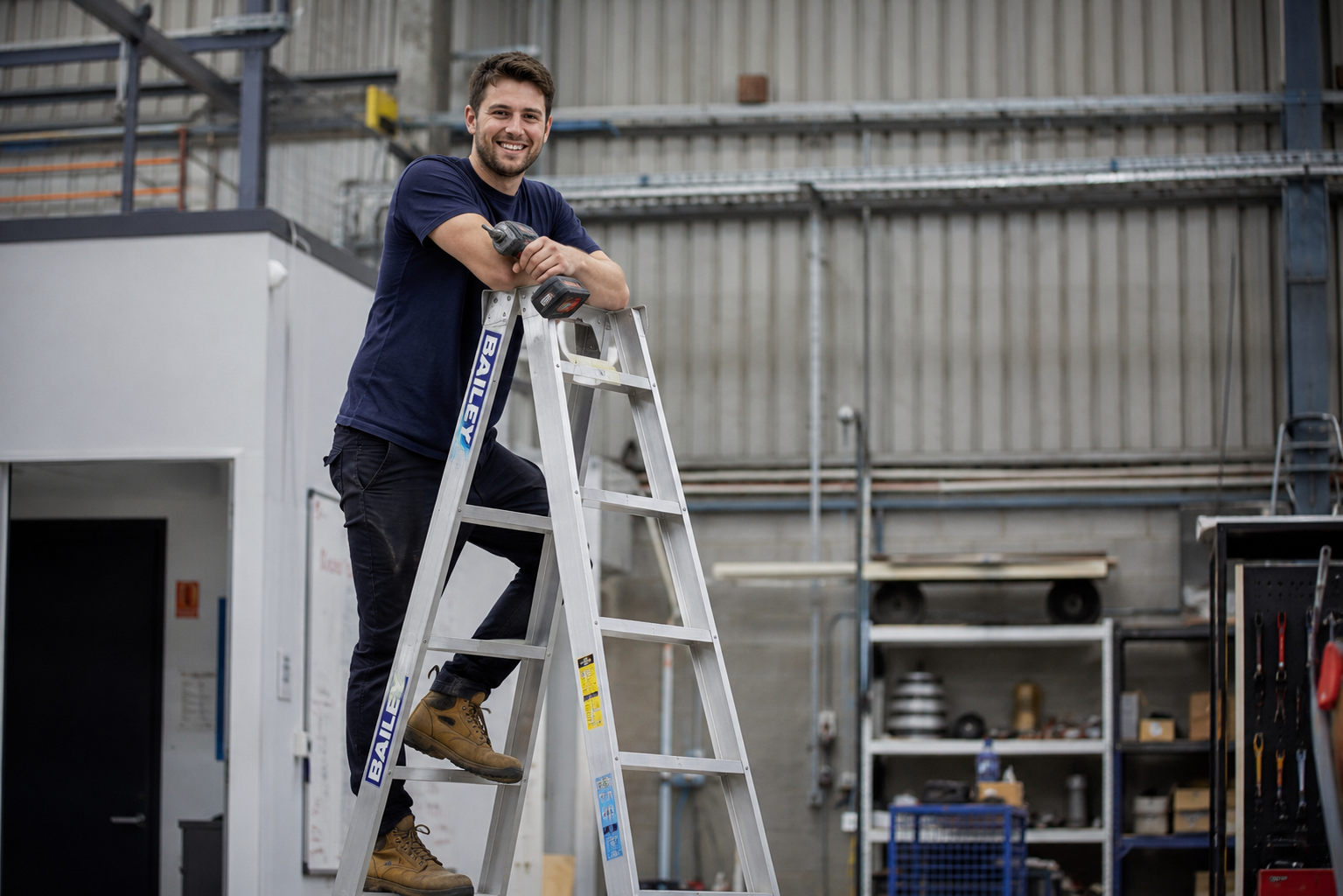
Strong Construction Creates Greater Stability
One of the biggest safety advantages of professional-grade ladders is their robust construction. Heavy-duty aluminium frames are designed to withstand repeated use in demanding environments without sacrificing structural integrity.
Unlike lighter domestic ladders intended for occasional household tasks, industrial-grade models are manufactured to cope with frequent transportation, changing weather conditions, and continuous daily use. Reinforced side rails, secure rung connections, and rigid frame designs all contribute to improved stability during operation.
Workers often need to climb while carrying tools or equipment, making stability even more important. A ladder that remains firm under load allows users to maintain better balance throughout the task, reducing unnecessary movement that could otherwise lead to slips or falls.
Lightweight Without Compromising Strength
Although steel ladders offer impressive strength, they can be difficult to move around large worksites. Aluminium provides an excellent balance between durability and manageable weight.
Because aluminium is considerably lighter than steel, workers can reposition ladders more easily without excessive physical strain. Reducing manual handling risks is an important part of workplace safety, particularly on projects requiring frequent movement between work areas.
The lighter weight also encourages workers to use the correct equipment rather than attempting unsafe shortcuts simply to avoid carrying heavier alternatives. This seemingly small advantage can have a positive impact on safe working practices throughout the day.
Corrosion Resistance Extends Safe Service Life
Many demanding workplaces expose equipment to moisture, chemicals, changing temperatures, or outdoor conditions. Corrosion can gradually weaken some materials, increasing the likelihood of equipment failure if not properly maintained.
Aluminium naturally develops a protective oxide layer that helps resist corrosion. This characteristic makes it particularly suitable for outdoor construction projects, warehouses, utilities, manufacturing facilities, and maintenance work.
Long-lasting resistance to corrosion means ladders can remain structurally sound for many years when inspected and maintained correctly. While routine inspections are always essential, corrosion-resistant materials help preserve the ladder’s original performance over time.
Better Design Supports Safe Working Practices
Modern professional ladders incorporate numerous design features intended to improve user safety.
Wide, slip-resistant rungs provide secure footing, even when workers are wearing heavy-duty safety boots. Comfortable rung spacing allows for more natural climbing, reducing fatigue during prolonged use.
Many models also include non-slip feet designed to improve grip on appropriate surfaces. Secure footing is particularly important when working on concrete, warehouse floors, or other hard surfaces where movement could become hazardous.
Some industrial ladders include stabiliser bars that increase the contact area with the ground, helping reduce the chance of sideways movement. Others feature locking spreaders or reinforced hinges that ensure the ladder remains securely positioned throughout the task.
Each of these design improvements contributes to a safer overall working experience.
Reduced Fatigue Leads to Better Decision-Making
Worker fatigue is often overlooked as a contributing factor in workplace accidents. Climbing, repositioning equipment, and maintaining balance throughout the day require continuous physical effort.
Equipment that is easier to transport and more comfortable to use can reduce unnecessary physical strain. When workers are less fatigued, they are generally able to maintain better concentration and make safer decisions throughout their shift.
Small improvements in ergonomics can therefore have a surprisingly large impact on overall site safety, particularly during long projects or repetitive maintenance work.
Suitable for a Wide Range of Industries
Professional-grade aluminium ladders are used across numerous sectors because of their versatility and dependable performance.
Construction workers rely on them for installation and finishing work, while electricians appreciate their portability when moving between locations. Facilities management teams use them for routine maintenance, inspection work, lighting replacement, and repairs.
Warehouse operators often require ladders for stock management and equipment servicing, while manufacturing environments use them during planned maintenance schedules. Local authorities, schools, hospitals, and commercial property managers also depend on reliable access equipment for routine building maintenance.
Their adaptability means organisations can standardise equipment across multiple departments while maintaining consistent safety standards.
Inspection and Maintenance Remain Essential
Even the strongest ladder requires regular inspection. Before every use, users should visually examine the ladder for signs of damage, loose components, worn feet, contamination, or deformation.
Scheduled inspections should also form part of an employer’s maintenance programme, ensuring equipment remains fit for continued use. Damaged ladders should be removed from service immediately until they can be repaired or replaced.
Proper storage is equally important. Keeping ladders clean, dry, and protected from unnecessary impacts helps preserve their condition while extending their operational lifespan.
Routine maintenance not only protects the equipment but also reinforces a workplace culture where safety remains a daily priority.
Training Completes the Safety Picture
Even excellent equipment cannot compensate for poor working practices. Employees should receive appropriate training covering ladder selection, inspection procedures, correct positioning, three points of contact, safe climbing techniques, and recognising when alternative access equipment may be more appropriate.
Workers should also understand weight limits, environmental hazards, and the importance of never overreaching while working at height.
Combining quality equipment with proper training creates multiple layers of protection that significantly reduce workplace risk.
Investing in Safety Pays Long-Term Benefits
Selecting professional-grade ladders should be viewed as an investment rather than simply another equipment purchase. High-quality products often last considerably longer than cheaper alternatives while delivering consistently reliable performance throughout their service life.
The benefits extend well beyond durability. Improved worker confidence, fewer equipment failures, reduced maintenance costs, and lower accident risks all contribute to greater operational efficiency. Organisations that prioritise safe access equipment also demonstrate a stronger commitment to employee welfare, helping build a positive safety culture that benefits everyone on site.
Ultimately, improving safety on demanding job sites depends on many interconnected factors, including planning, supervision, training, and equipment selection. Choosing ladders that are specifically designed for professional use provides workers with a stable and dependable platform for carrying out tasks at height. When combined with regular inspections and safe working practices, high-quality aluminium ladders become an essential part of reducing risk and ensuring projects are completed safely, efficiently, and to a consistently high standard.