Smart Steps for New Homeowners to Manage Risks
Congratulations on your new homeownership journey! While unlocking the door to your new place is exciting, it’s important to realize that your new investment comes with responsibilities and a range of potential risks. Proactively protecting your residence means more than just regular cleaning or furnishing; it’s about setting up safeguards so you can enjoy lasting comfort and security. Whether you’re moving into an established neighborhood or a recently built home, these smart steps—including evaluating home insurance—will help secure your property from unexpected setbacks.
Taking quick, proactive measures, such as regular home checkups and securing proper insurance coverage, not only safeguards your finances but also ensures that your living environment remains safe for you and your loved ones. With numerous external threats—such as weather, accidents, or burglary—a robust risk management strategy can make all the difference over time. It’s crucial to think of homeownership as an ongoing process of learning and adapting, so you’re protecting your home every step of the way.
Start by getting to know your home from top to bottom. Understand the age of its critical components, from the roofing to the plumbing, and set a schedule for preventive maintenance. By addressing repairs before they become urgent, you’ll be less likely to encounter disruptive or expensive emergencies. In addition, a regular review of your emergency plans—such as how you’ll get out in case of a fire—and essential systems like smoke detectors ensures ongoing readiness for unforeseen risks.
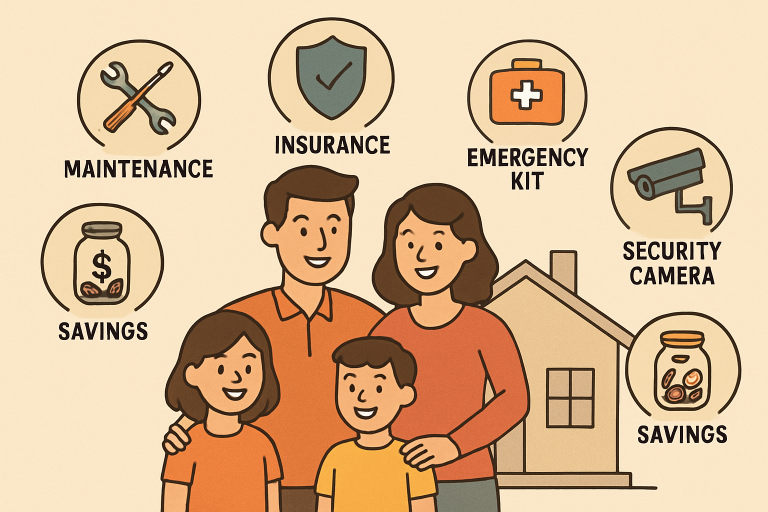
Table of Contents
Conduct Regular Home Maintenance
One of the most important steps any homeowner can take is keeping up with routine maintenance. Start with seasonal inspections: check your roof for missing shingles, ensure gutters are free from debris, and look for cracks or leaks in the foundation. Maintaining HVAC systems by changing filters and arranging professional servicing helps avoid costly breakdowns and keeps energy bills manageable. Don’t overlook basics like flushing your water heater to prevent sediment buildup and ensuring weather stripping is intact to keep your home energy-efficient. Additionally, reviewing and updating your property insurance ensures that your home and belongings are financially protected in the event of unexpected damage. According to the American Home Inspectors Training Institute’s Home Maintenance Checklist, setting up regular reminders for these tasks can drastically reduce emergency repairs and extend your home’s life.
Review and Update Insurance Coverage
Reevaluate your insurance policies every year or whenever major life changes occur. Standard homeowners insurance may not cover all perils: while fire and theft are usually included, floods, earthquakes, and certain windstorms may require separate endorsements or policies. Work with your insurance agent to fill in these gaps and avoid costly surprises. Bundling your homeowners coverage with vehicle or umbrella liability insurance often results in better rates and broader protection. Be sure to document valuable possessions, update your home’s inventory, and store records in a secure cloud location in case you need to file a claim.
Develop an Emergency Preparedness Plan
Emergencies strike unexpectedly, so it’s vital to have a clear plan that everyone in the household understands. Identify primary and secondary escape routes, assign roles for evacuations, and determine meeting points away from home. Stock up on basics—nonperishable food, bottled water, flashlights, batteries, a first-aid kit, and copies of key documents. Practice these routines regularly to keep them fresh in everyone’s mind. Having a battery-powered radio can help you stay informed if you lose power or internet access.
Invest in Home Security Systems
Today’s home security solutions are affordable and easy to install. Consider smart security cameras, motion detectors, and window sensors that alert your phone instantly in case of suspicious activity. Many modern systems integrate with smart locks and doorbells, allowing you to see, speak to, or remotely unlock your door for trusted guests. For even greater peace of mind, professional monitoring services provide 24/7 response. Security signage and exterior lighting further deter intruders and increase the safety of your property.
Establish a Financial Safety Net
No matter how well you plan, unexpected costs will eventually arise—whether a broken appliance, a leaky roof, or a health emergency. Building a savings cushion with three to six months’ living expenses ensures you’re not forced to dip into retirement accounts or accumulate credit card debt. Automate monthly transfers into a dedicated emergency fund to make saving easier. Financial planning experts recommend reassessing your savings goals annually, especially after making large purchases or experiencing major life changes. Tracking your spending and regularly reviewing your budget can help you stay ready for whatever comes your way.
Stay Informed About Local Risks
Every region faces unique hazards—wildfires, tornadoes, earthquakes, or flooding—so it’s smart to understand what applies to your area. Sign up for local alerts, read municipal hazard guides, and prepare your home accordingly. For instance, if you’re in a hurricane-prone zone, invest in storm shutters and secure loose outdoor items. Engage with local emergency services and attend preparedness fairs or workshops for firsthand advice and up-to-date information on how to protect your home and family.
Build a Support Network
Strong connections with neighbors are invaluable. Joining a neighborhood association or social media group helps you stay informed about area-specific risks, crime trends, or helpful local resources. Participating in community watch programs and exchanging contact information means you’ll have help in an emergency and people to rely on when you travel or need assistance. Community members often share tips regarding trusted service providers or maintenance deals as well.
Continuously Educate Yourself
Staying up to date is crucial for protecting your investment and minimizing stress. Attend workshops on electrical safety, landscaping for fire resilience, or financial planning for homeowners. Consult reputable resources, such as local extension offices or trusted media outlets. The more knowledgeable you become, the better equipped you’ll be to prevent mishaps and manage your home confidently.
Following these smart steps gives you peace of mind, protects your largest investment, and ensures your home is a haven for years to come.