Tips for Keeping Your Air Conditioner Efficient All Year
Invisible energy waste and uncomfortable rooms are common signs of an inefficient air conditioner. If you’ve ever stepped inside and felt stuffy air despite a running AC, you may be experiencing the byproducts of a neglected system. Keeping your AC in top working order isn’t just about comfort—it’s about preventing expensive repairs and saving on monthly utility bills, which can add up quickly in hot climates. Whether you’re a homeowner in Florida or anywhere with high heat and humidity, prioritizing Citrus County air conditioning maintenance will keep your system running efficiently in every season. An efficient system not only makes your home more enjoyable, but it also preserves the value of your investment and can prevent frustrating breakdowns during peak summer heatwaves.
Simple, proactive steps can extend your AC’s life, ensure it runs quietly, and make your home a haven from the heat. Routine care also reduces wear and tear on parts that can cause noisy, inefficient operation or frequent service calls. It’s not simply about when to use the AC, but how you use and maintain it that truly makes a difference. Even minor adjustments to daily habits can significantly impact the performance and longevity of your air conditioning unit. Therefore, adopting smarter usage patterns, combined with good maintenance, is key to year-round comfort.
An efficient air conditioner helps you stay comfortable and lowers your carbon footprint. You’ll use less energy, which helps reduce the demand on local power grids during periods of high usage. Better performance also means your system won’t have to work as hard, potentially extending its lifespan. After understanding the basics, it’s time to dive into expert-recommended steps for optimal AC efficiency. This article breaks down the top ways to support your system’s performance for many years to come.
Table of Contents
Regular Maintenance
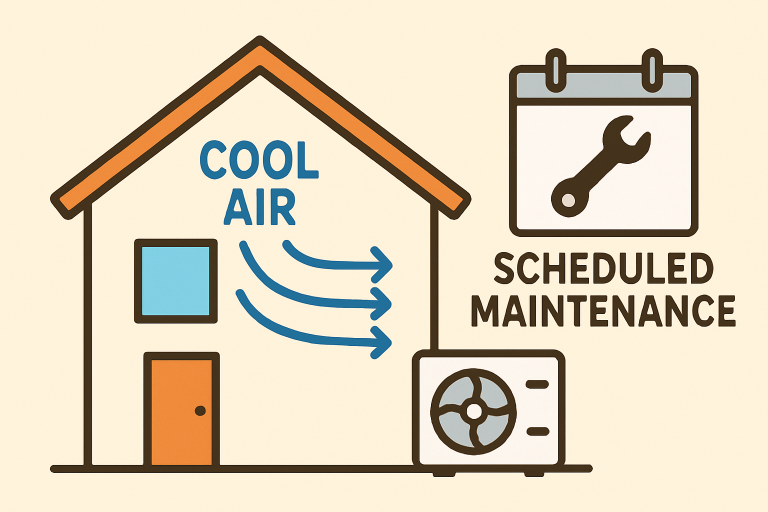
The foundation of air conditioner efficiency is a strong maintenance routine. Schedule annual professional tune-ups before the cooling season begins for best results. During a professional checkup, trained technicians will inspect, clean coils, check refrigerant levels, and test system controls. These maintenance steps ensure that your system operates at peak efficiency, help identify developing problems early, prevent system breakdowns, and ensure consistent and reliable cooling performance throughout high-demand periods. Proper air conditioning installation is equally important, as a correctly installed and appropriately sized system maximizes efficiency and longevity from the outset. According to the U.S. Department of Energy, proper maintenance can reduce energy use by 15% or more. Regular servicing also helps maintain your manufacturer’s warranty, providing added protection in case of unexpected issues. If unusual sounds or odors develop, scheduling a professional inspection can help prevent more significant, costly problems down the road.
Replace Air Filters
Clogged or dirty filters restrict airflow, forcing your air conditioner to work harder and use more energy. Over time, this can put unnecessary strain on motors and fans, eventually leading to preventable breakdowns. Replace filters every one to three months, especially during peak cooling periods or if your home has pets and high levels of dust. Improved airflow reduces energy waste and supports better indoor air quality for everyone in your household. Clean filters help capture airborne particles, such as pollen and pet dander, making your home healthier for those with allergies or respiratory sensitivities. Many thermostat displays or smart home systems now send filter change reminders, making it easier than ever to stay on schedule.
Seal and Insulate Your Home
Cool air loss from poorly sealed doors, windows, or attic spaces can drastically undermine your AC’s efficiency. Homes with gaps, cracks, or uninsulated areas experience “thermal leaks,” causing the system to work overtime to maintain indoor comfort. Use weatherstripping or caulk to seal obvious leaks, and add insulation to your attic or crawlspace. Even simple, do-it-yourself insulation projects can create big differences in how hard your air conditioning works to maintain your desired temperature. Sealing your home helps keep conditioned air inside and unwanted heat out, resulting in stable indoor temperatures and reduced run times for your AC. Additionally, well-insulated homes are quieter and more resistant to outdoor humidity, resulting in improved overall comfort year-round.
Use Ceiling Fans
Ceiling fans can complement your AC by circulating air, allowing you to raise the thermostat setting without losing comfort. When air moves across your skin, it speeds up evaporation, helping you feel cooler—even when the thermostat is set a bit higher. During warmer months, set fans to rotate counterclockwise for a cooling breeze. This trick can make rooms feel up to 4°F cooler and provide significant savings on your utility bill. Conversely, in winter, running fans at low speed in a clockwise direction helps redistribute warm air trapped near the ceiling, supporting year-round efficiency for both heating and cooling.
Install a Smart Thermostat
A smart thermostat optimizes your air conditioning schedule automatically. These devices learn your daily routines, occupancy patterns, and even adjust settings based on weather forecasts to minimize unnecessary cooling when you’re away or asleep. Many smart thermostats offer easy control from your smartphone, allowing you to adjust settings on the go and receive energy use reports to help you refine your usage for improved efficiency. Over time, these devices can yield meaningful reductions in energy costs. Some models even offer remote sensors for more balanced cooling throughout the home, optimizing comfort where it’s needed most and avoiding wasted energy in rarely used rooms.
Keep Vents Clear
Air vents that are blocked by furniture, drapes, or clutter can prevent cooled air from circulating as designed. This leads to uneven temperatures, cold or hot spots, and wasted energy. Walk through your home and make sure all vents have at least a foot of clearance on all sides for consistent cooling and improved efficiency. It’s a good idea to periodically vacuum vent covers to remove any collected dust or debris that could hamper airflow. Paying attention to your vents and air returns ensures your AC doesn’t have to compensate by running longer than necessary, further extending its lifespan and conserving energy.
Strategic Landscaping
Landscaping isn’t just for curb appeal—it’s a natural way to cool your home. Shade from trees and large shrubs reduces direct sun and heat gain through windows and exterior walls, keeping inside temperatures more manageable. Positioning greenery near south- and west-facing walls lowers your cooling needs during the sunniest parts of the day. For best results, keep vegetation trimmed away from the AC condenser so air can flow freely around the unit and it can efficiently release heat. In addition to lowering your cooling costs, thoughtful landscaping can provide privacy, increase property value, and support local biodiversity.
Consider Upgrading Your AC Unit
Air conditioners tend to lose efficiency with age, particularly after 10 years of service. Technological advances have made modern HVAC systems significantly more efficient than those from a decade ago, often using less energy to achieve better results. If you’re facing frequent breakdowns, rising utility bills, or poor cooling, consider investing in a newer, more energy-efficient model. Look for systems with ENERGY STAR® ratings and high SEER values for the best returns on comfort and savings. Upgrading to newer technology can result in quieter operation, advanced filtration, and smart features such as zoned temperature control for personalized comfort.
Final Thoughts
By prioritizing proactive maintenance, improving insulation, utilizing fans and smart controls, and considering upgrades when necessary, you can keep your air conditioner reliable and efficient throughout every season. These steps will ensure comfort, savings, and long-term peace of mind for you and your family. An efficient air conditioning system isn’t just a luxury—it’s a key part of a healthy, economical, and environmentally responsible home.