Smart Strategies for Integrating Modern Access Control Systems
In a world where security demands are constantly evolving, organizations are rethinking the way they protect their assets and manage entry points. Implementing advanced access control systems has become a cornerstone of operational security for businesses, schools, hospitals, and multifamily residences alike. These systems protect spaces, streamline operations, and improve user experience. The right access control goes beyond entry permissions, using advanced technology to create flexible, scalable security tailored to each organization. Proper integration helps businesses stay ahead of threats and comply with regulations, safeguarding people, property, and data. This article covers strategies for integrating modern access control, including technology choices, addressing challenges, and leveraging future trends. Remember, physical access often works with other entry solutions. For automated doors, reliable repair ensures minimal downtime and smooth security.
Table of Contents
Understanding Modern Access Control Systems
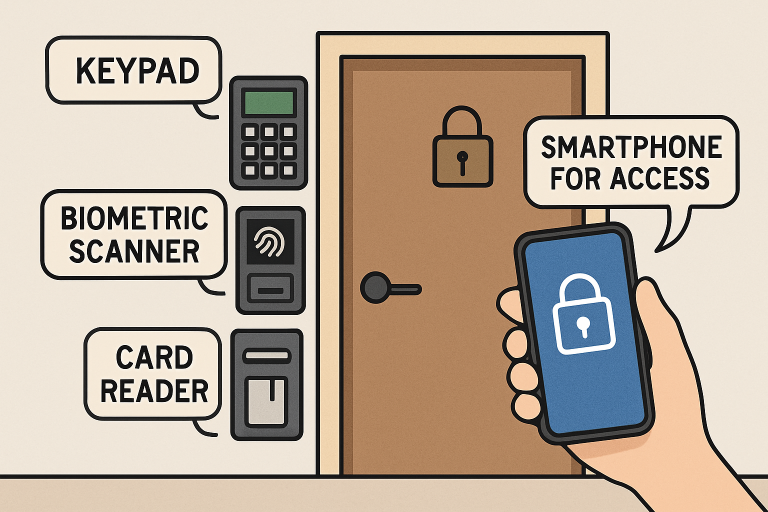
Today’s access control solutions are a significant departure from the lock-and-key security that prevailed for decades. Biometric authentication, mobile-based entry, cloud management, and AI-enhanced monitoring have ushered in a new era of security systems. These platforms facilitate highly customizable, user-friendly, and real-time security management for organizations of all sizes.
Beyond physical door locks, modern access control encompasses digital credentials, multifactor authentication, and powerful analytics. These features not only enhance site security but also facilitate efficient visitor management, time and attendance tracking, and compliance with industry-specific security standards.
Key Strategies for Integration
Comprehensive Assessment
The foundation for a successful access control upgrade is a thorough review of the existing security infrastructure, including services such as automatic door repair. A comprehensive risk assessment identifies vulnerabilities and defines desired outcomes—whether it’s reducing unauthorized entry or integrating with other building systems such as cameras and alarms.
Scalable Solutions
Select access control platforms that can scale with your organization’s growth. Cloud-based solutions, for instance, support multiple locations and remote management, while open API systems allow for the easy addition of future technologies with minimal disruption. CISA’s guidelines recommend designing security layers that can evolve as organizational requirements change.
Interoperability
Effective access control doesn’t operate in isolation. The best systems integrate seamlessly with existing surveillance, alarm panels, and building management infrastructure, creating a unified and responsive security environment. This not only improves efficiency for security teams but also provides a comprehensive audit trail for compliance purposes.
User Training
Successful integration isn’t solely about technology; it’s also about empowering users. Providing in-depth training for staff and administrators ensures that new features and protocols are understood, reducing the risk of security incidents caused by human error. Ongoing training is especially crucial when introducing new updates or expanding system capabilities.
Overcoming Common Challenges
Budget Constraints
Financial limitations are a common hurdle in updating security infrastructure. To maximize investment, organizations should prioritize core functionalities and consider phased implementations, addressing critical vulnerabilities first and then expanding capabilities as funding allows. Grants and incentive programs are sometimes available for infrastructure improvements in the education and public sectors.
Technical Compatibility
Older infrastructure may not always align with modern, cloud-ready solutions. Working with experienced vendors and installers helps ensure compatibility with existing doors, networks, and devices. Request detailed compatibility checks before purchase to minimize costly surprises during deployment.
Data Privacy Concerns
Many contemporary access control platforms collect and process sensitive data—including biometric and personal identification information. Organizations must implement strong encryption, data retention policies, and access logs to comply with privacy regulations and protect users’ rights. Consulting with IT and legal teams during planning ensures all measures meet current standards.
Emerging Trends in Access Control
Cloud-Based Management
Cloud-hosted access control platforms have exploded in popularity due to their centralized dashboards, real-time alerts, and scalability. Companies benefit from streamlined administration as well as the ability to monitor multiple locations from a single device, resulting in improved efficiency and rapid incident response. Industry research from Forbes highlights how cloud adoption is reshaping security management for organizations globally.
Biometric Authentication
New access control systems are increasingly leveraging biometrics, such as facial recognition or fingerprint scanning, to reduce dependence on physical cards or PINs. This provides a significant improvement in both user convenience and security, as biometric data is far more difficult to replicate or share than traditional credentials.
Integration with IoT Devices
The integration of access control and IoT devices enables more intelligent building management. Interconnected sensors, smart locks, and AI analytics can automate responses to security events, helping to create safer and more energy-efficient facilities.
Conclusion
As organizations face increasingly complex security challenges, the need for robust, integrated access control systems continues to rise. By carefully assessing needs, investing in scalable and interoperable technologies, and anticipating future trends, businesses can craft security strategies that not only protect assets but also streamline daily operations. The right approach to access control integration empowers organizations to build safer, smarter spaces—now and into the future.