How Cannabis Delivery Is Changing the Way We Access Wellness
Table of Contents
The Rise of Cannabis Delivery Services
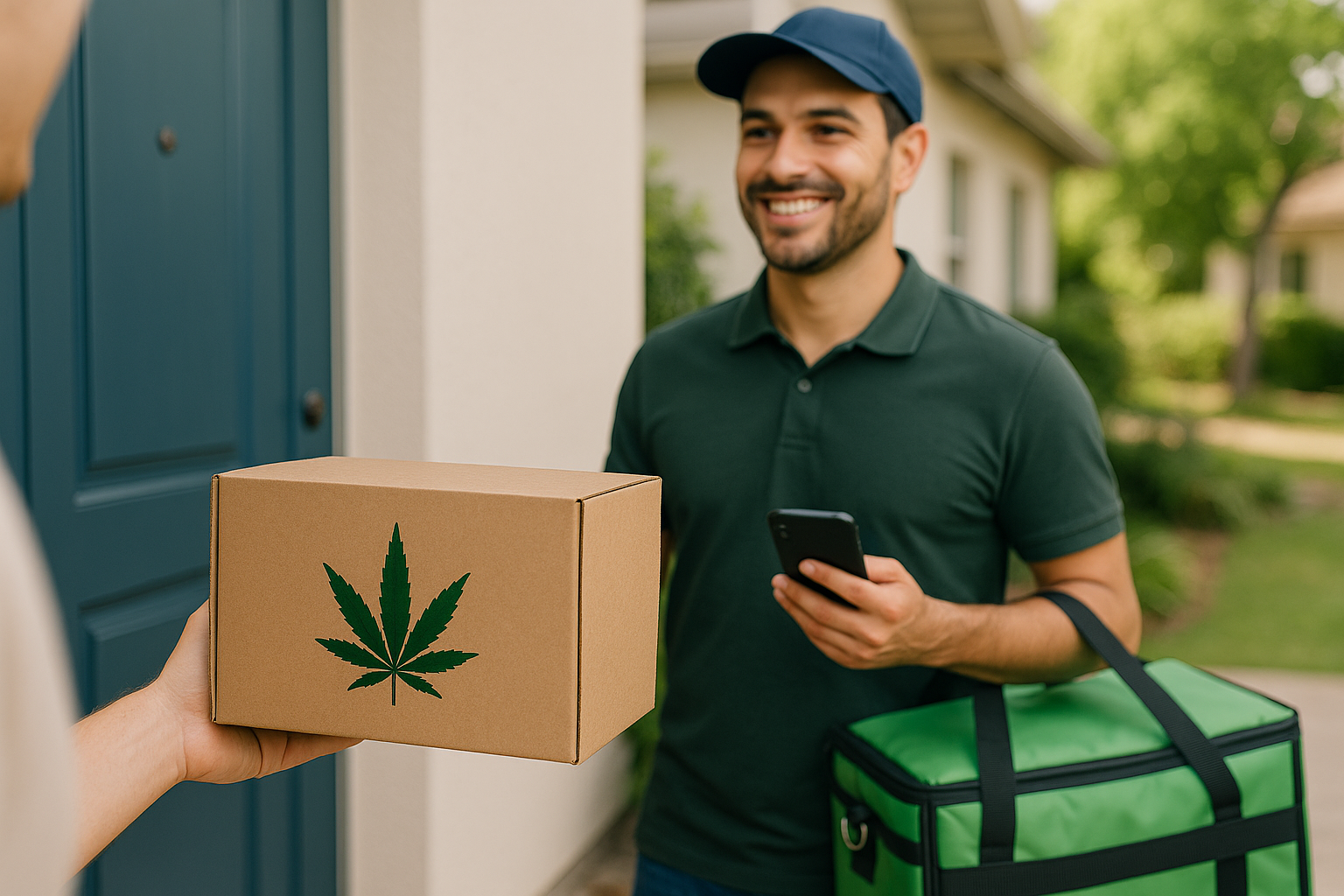
The cannabis industry is undergoing a dramatic shift as delivery services become an increasingly common way for consumers to access their wellness products. With legalization efforts expanding across the United States and beyond, more people than ever can benefit from the simplicity of home delivery. Just as food, groceries, and other essentials have embraced the on-demand model, cannabis is following suit, putting choice and convenience firmly in the hands of users.
The demand for streamlined access rapidly grows in California, particularly in urban hubs like Sacramento. Sacramento weed delivery services allow customers to confidently and safely receive orders without entering a dispensary. This reflects consumer preference and keeps pace with broader shifts in retail, focusing squarely on accessibility and user experience.
The growth of cannabis delivery services is also fueled by changing lifestyles. Many consumers juggle demanding work schedules, family obligations, and health issues that may make it difficult to visit brick-and-mortar locations. With a quick online order, products can arrive at your door, freeing valuable personal time and reducing stress. This model sets a new standard for what consumers expect from health and wellness providers, especially as convenience becomes a central concern for modern shoppers.
Enhanced Accessibility for Medical Patients
For many individuals, especially those managing chronic illnesses or mobility challenges, visiting a physical dispensary presents a significant barrier. The evolution of cannabis delivery addresses these accessibility gaps, bringing critical wellness solutions directly to those who need them most. This ensures medical patients—including seniors and those with disabilities—receive consistent access to their prescribed cannabis products without the stress or difficulty of travel.
Medical cannabis has proven effective for a range of conditions, such as chronic pain, anxiety, and neurological disorders, according to the National Institute on Drug Abuse. By facilitating timely delivery and reliable access, the industry enhances health outcomes and quality of life for these vulnerable populations.
Delivery operators often tailor their services to accommodate customers with special needs, offering flexible delivery windows, educational materials, and expert guidance on product selection for qualifying patients. By focusing on patient-first models, these providers help break down barriers to relief, making wellness an achievable goal for people who might otherwise go without care.
Privacy and Discretion
Despite growing acceptance, cannabis use is still stigmatized in many communities. For those seeking privacy, delivery services provide a dignified and discreet way to receive products. Deliveries are made in unmarked packages, allowing users to avoid discomfort or social scrutiny from visiting a dispensary in person. This layer of protection encourages more consumers to explore cannabis as a legitimate part of their wellness routine, without fear of judgment.
Discretion is paramount for people with high-profile jobs, family concerns, or simply a desire to keep their health routines private. Delivery services understand this sensitive dynamic and often have protocols to ensure only the intended recipient receives the package, further protecting consumers’ confidentiality. The result is peace of mind for people who may otherwise have hesitated to explore cannabis as a wellness tool.
Technological Innovations in Delivery
The embrace of modern technology has been pivotal for cannabis delivery. GPS-enabled tracking, real-time inventory updates, and user-friendly ordering apps allow customers to browse menus, place orders, and track deliveries all from the convenience of their smartphones. These technological features ensure that customers know precisely when to expect their orders, preserving transparency and building trust. This digital transformation reflects changes across many sectors but is especially vital for a product category as regulated and sensitive as cannabis.
Additionally, technology streamlines age verification, order accuracy, and customer support, creating a seamless end-to-end experience for every client. Leading businesses in the sector are leveraging artificial intelligence and automation to identify patterns, predict order surges, and improve overall efficiency, keeping pace with the industry’s rapid growth.
As mobile platforms become more sophisticated, users can personalize their accounts, save their favorite products, and receive notifications about deals or product education. This enhances the shopping experience and empowers consumers to make informed choices tailored to their health goals and preferences.
Sustainability Efforts
As delivery volumes increase, there is growing recognition of the associated environmental impact. Many cannabis delivery companies are making sustainability a core part of their operations by adopting eco-friendly packaging, investing in electric vehicles, and optimizing delivery routes to lower emissions. Conscious consumers respond positively to these initiatives, preferring to support businesses that minimize their ecological footprint.
The move toward greener practices parallels trends in other industries and reflects a broader cultural shift toward responsible consumerism, as noted by The New York Times’ Climate Desk. By embedding sustainability early, cannabis delivery firms are positioning themselves as leaders in the evolving wellness marketplace.
Some delivery services also partner with suppliers committed to ethical sourcing and organic cultivation methods, ensuring that sustainability is woven into every supply chain step. As consumers become more eco-conscious, such practices are a competitive differentiator and foster loyalty among the growing base of environmentally minded buyers.
Regulatory Landscape and Compliance
Legal compliance is a top priority for cannabis delivery businesses. The interplay of city, county, and state laws can be complex, but adherence is necessary to maintain operational legitimacy and protect consumers. Regulations govern everything from packaging and delivering products to record-keeping, age verification, and driver protocols.
By prioritizing regulatory compliance, companies ensure a safer experience for customers while contributing to the overall normalization and legalization of cannabis. This approach also builds customer trust, aligns the sector with health industry standards, and safeguards its long-term viability.
Industry leaders often engage in ongoing training and work closely with legal experts to ensure staff and processes remain up to date. This ongoing vigilance enables them to adapt to shifting requirements quickly, minimizing business risks and reinforcing consumer confidence with robust protections.
Impact on Traditional Dispensaries
The rise of delivery has not threatened traditional dispensaries but rather sparked innovation. Many brick-and-mortar locations have started offering delivery themselves or partnering with third-party platforms to reach new customers. This evolution is analogous to trends in other retail sectors, where omnichannel strategies are crucial for success.
Dispensaries that integrate delivery into their business models provide greater flexibility and choice for users, strengthening their position in a rapidly changing marketplace. The continuing convergence of in-store and online experiences signals a future where cannabis access is more adaptable and user-focused than ever.
This shift for dispensaries means investing in user education, website optimization, and logistics support, driving additional value for new and established customers. As physical and digital retail lines blur, dispensaries are well-positioned to offer holistic wellness solutions across various purchase and access channels.
Future Outlook
Cannabis delivery is poised to become a cornerstone of the wellness industry as public attitudes shift and technological offerings expand. The continued integration of innovative solutions, such as AI, automated warehouses, and data-driven personalization, promises even more streamlined consumer access. As state and federal frameworks evolve, expect increased product variety, more responsive customer experiences, and broader incorporation of cannabis into mainstream health and wellness routines.
With the sector maturing quickly and new companies emerging, cannabis delivery will play an essential part in shaping the future of wellness, removing barriers to access, promoting sustainable practices, and normalizing the use of cannabis as a vital component of individualized care.
Ultimately, as the industry advances, the integration of cannabis delivery into daily life will foster greater inclusivity, reduce stigma, and help unlock the full therapeutic potential of cannabis for millions of people seeking a better quality of life.