Top Challenges in Land Development and How to Overcome Them
Land development is a significant and complex process that transforms undeveloped land into spaces suitable for residential, commercial, or industrial use. Success in this field demands not only vision and expertise but also an understanding of the many hurdles that can slow or halt progress. If you are looking to understand the phases and requirements of land development, it is crucial to prepare for the challenges that developers typically face.
Completion of any project relies on careful planning, regulatory compliance, and community involvement. Developers routinely encounter barriers related to zoning, environmental regulations, infrastructure availability, and market volatility. Recognizing and addressing these obstacles early can save both time and resources.
Equally important is assessing financial risks and technical factors, such as soil quality and utility access. A comprehensive approach that blends technical due diligence with stakeholder engagement helps ensure projects proceed smoothly and deliver long-term value to stakeholders and future occupants.
Table of Contents
- 1 Navigating Zoning and Regulatory Requirements
- 2 Addressing Environmental Concerns
- 3 Managing Infrastructure and Utility Access
- 4 Overcoming Soil and Geotechnical Challenges
- 5 Mitigating Financial Risks
- 6 Handling Market Volatility
- 7 Ensuring Community Engagement
- 8 Managing Project Timelines
- 9 Final Thoughts
The foundation of a successful land development project lies in understanding and complying with local zoning laws and regulatory frameworks. Municipalities establish these regulations to control growth, manage resources, and protect the character of local communities. Regulations can cover allowable land uses, density, building heights, setback requirements, and environmental protections, among other considerations. These rules often vary widely by local priorities, leading to confusion or costly delays for developers unfamiliar with the area. Early engagement with planning officials and legal advisors, along with a thorough review of the local zoning code, is an essential step to maintaining project momentum. When necessary, requesting a variance or rezoning can realign your project to local policy, but this requires documentation, public hearings, and sometimes legal support.
Addressing Environmental Concerns
Environmental protection is at the forefront of modern development practices. Developers must mitigate adverse effects on ecosystems, water resources, and air quality, especially when working in protected areas, previously contaminated sites, or during land acquisition phases. Government agencies often require environmental impact assessments (EIAs) before approving projects. These studies reveal potential hazards or regulatory conflicts and can help planners design projects that minimize harm. Working with experienced environmental consultants and collaborating on sustainable practices not only ensures regulatory compliance but can also improve public perception and long-term project sustainability.
Managing Infrastructure and Utility Access
No development is complete without reliable access to utilities such as water, electricity, natural gas, and sewer services. In many growing communities, public infrastructure may not have the capacity to accommodate new demand without significant upgrades. Developers must coordinate with local utility providers and public works departments to plan for new lines or expansion of current systems. Failure to secure these services can halt construction or significantly increase costs during later project phases. Proactive assessment and engagement with utility providers help clarify existing capacity, upgrade requirements, and timelines.
Overcoming Soil and Geotechnical Challenges
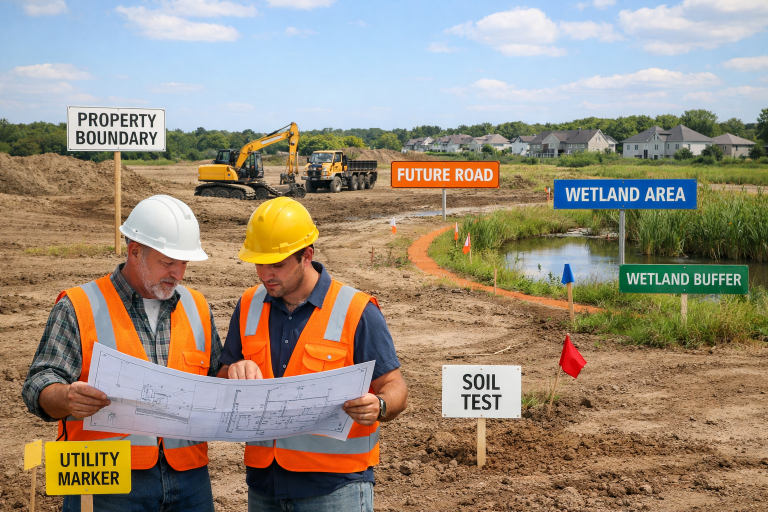
Soil stability and underlying geological features directly affect both safety and cost. Issues such as expansive clay, high groundwater tables, or rocky terrain can require specialized foundation design or costly soil remediation. Geotechnical investigations, conducted early in the planning process, are key to identifying risks and determining optimal building methods. These site studies can inform project scope and reduce the likelihood of unexpected budget or safety issues.
Mitigating Financial Risks
Land development frequently involves high upfront costs, ongoing expenditures, and exposure to market fluctuations. Unexpected expenses or mismanagement can put a project’s success at risk. Accurate budgeting, financial forecasting, and careful expenditure tracking are necessary from the earliest stages. Diversifying funding sources, whether through loans, investors, or joint ventures, can add stability. Including contingency plans in your budget provides a cushion against unexpected complications or downturns. Regularly reviewing financial progress against benchmarks also promotes transparency and early problem detection.
Handling Market Volatility
The real estate market is influenced by changing interest rates, consumer demand, and economic conditions. A sudden shift in any of these variables can affect a project’s viability and potential return on investment. Developers should conduct regular market research to identify trends in demand and pricing, enabling them to adapt their plans as needed. Flexible designs and phased development strategies can help align supply with evolving market conditions, reducing overall risk and increasing the likelihood of sustained project success.
Ensuring Community Engagement
Successful projects require the support of nearby residents and stakeholders. Without proactive outreach, developers may encounter opposition, slowdowns, or even halts due to community protests or political resistance. Hosting public meetings, soliciting feedback, and maintaining open lines of communication demonstrate goodwill and help incorporate local preferences. Community engagement can also reveal potential pitfalls and generate ideas that lead to more successful, publicly supported outcomes.
Managing Project Timelines
Keeping development on schedule is an ongoing challenge, as delays at any stage can cause cascading issues and financial strain. Developers should create timelines with realistic estimates, built-in contingency plans, and regular progress assessments. Project management tools and regular communication with contractors and stakeholders help identify bottlenecks early, allowing teams to respond quickly and keep work on track.
By focusing on each of these key challenges, developers can take proactive steps to mitigate risk and move projects forward with greater confidence. The ability to anticipate hurdles, adapt to new findings, and collaborate with local communities is essential for sustainable and profitable land development.
Final Thoughts
Land development is a multifaceted process that requires careful planning, technical expertise, and proactive risk management. Success depends on navigating zoning regulations, addressing environmental concerns, securing infrastructure, and mitigating financial and market risks. Early stakeholder engagement, thorough site analysis, and continuous monitoring of timelines and budgets are crucial to avoiding delays and cost overruns.
By combining strategic planning with community involvement and sustainable practices, developers can transform raw land into valuable, functional spaces while minimizing obstacles. A disciplined, informed approach not only ensures regulatory compliance and financial stability but also lays the foundation for long-term success and positive community impact.