The Future of Residential Living: Trends Shaping Modern Home Buying
As the housing market continues to evolve, several key trends are emerging that redefine how we perceive and purchase homes. From sustainability to technological integration, these developments are shaping the future of residential living. For those seeking expert guidance in navigating these changes, Gaithersburg MD real estate experts Hometown Collection offer invaluable insights and services. Hometown Collection, led by Jeanette Mitchell, is a premier real estate builder serving Gaithersburg and the surrounding areas. With a commitment to personalized guidance and expertise, they ensure every transaction is handled with care from start to finish.
Table of Contents
Sustainable and Energy-Efficient Homes
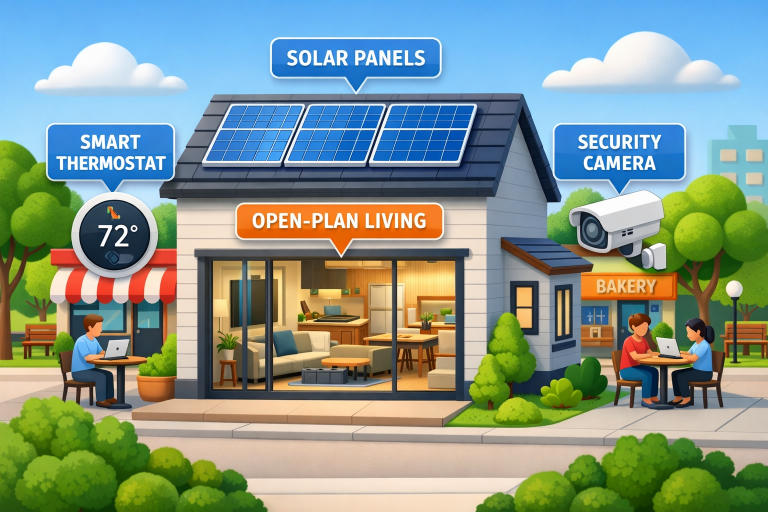
Environmental responsibility is driving a surge in demand for green homes. Buyers today seek properties with superior insulation, solar panels, and high-efficiency appliances, features that lower utility bills while reducing environmental impact. Sellers investing in sustainable upgrades often enjoy faster sales and higher returns on investment, a testament to changing attitudes around sustainability.
Additionally, the rise of all-electric homes and net-zero design is becoming prominent. Many new developments now market homes that use renewable energy sources exclusively, such as solar or geothermal systems. Water-saving fixtures and drought-tolerant landscaping, especially in areas facing climate change concerns, are features that help new homeowners reduce their ecological footprint while also appealing to environmentally conscious buyers.
Local governments and agencies are also increasingly offering incentives and tax breaks to homeowners and builders who install energy-efficient systems, further motivating both buyers and sellers to prioritize sustainability in their decision-making. In the long run, these efforts help drive community-wide benefits, lower pollution, and foster a new generation of eco-friendly neighborhoods.
Integration of Smart Home Technology
Advancements in smart technology have raised the bar for what buyers expect in a modern home. Integrated automation systems for lighting, security, and HVAC are now seen as essentials, not luxuries. Products from major brands make day-to-day living more efficient, secure, and customizable. This rise in tech-savvy buyers means homes without these features could face longer days on the market or lower offers.
The integration of voice assistants, intelligent appliances, and responsive climate control systems has extended beyond convenience, enhancing home safety and efficiency. Doorbell cameras, smart locks, and leak detection systems give homeowners peace of mind, while smart thermostats and lighting help reduce energy consumption. As the Internet of Things (IoT) industry grows, homeowners anticipate future-proofing their homes with solutions that can be updated and adapted as technology continues to evolve.
Flexible Living Spaces and Remote Work Readiness
With remote work firmly entrenched, homes must now support flexible lifestyles. Single-purpose rooms are out; versatility is in. As work and life continue to blend, homes need to do more than ever. Buyers now prioritize spaces that adapt—whether for remote work, content creation, or wellness. A home office isn’t just a desk anymore; it’s a productivity hub.
The demand for multipurpose rooms, movable partitions, and convertible furniture has skyrocketed. Homebuyers are searching for layouts that allow for rapid transformation, spaces that can shift from a quiet office during work hours to a vibrant family room or guest space on weekends. Dedicated areas for exercise, hobbies, and relaxation have also become a priority, supporting residents’ holistic well-being. As the freelance economy and gig work increase, these flexible features are no longer optional for many buyers—they are requirements that help set a property apart in a crowded market.
Addressing Affordability Challenges
Skyrocketing interest rates and increased construction costs have made buying a home out of reach for many Americans. Average mortgage rates hovering between 6.7% and 7% as of mid-2025 have intensified affordability challenges. In response, home builders are constructing smaller, more affordable residences. The median size of new homes has shrunk by about 4% compared to the previous year, now standing at 2,179 square feet, the smallest since 2010. This downsizing is helping extend homeownership opportunities to a broader demographic, particularly first-time buyers who have struggled with high entry costs.
Creative financing options, such as shared equity programs and rent-to-own models, are also on the rise. Many urban developers are converting unused office buildings and commercial spaces into affordable residential units, an innovative approach that contributes to revitalization efforts while enhancing the housing supply. Micro-units, modular homes, and co-living arrangements provide even more options that can accommodate a diverse range of budgets and household types.
First-time buyers today are more likely to prioritize location, school quality, and community amenities over sheer size, preferring to maximize their budget on lifestyle rather than footprint. Developers who respond to these shifting values are seeing increased interest and quicker sales, even in a higher-interest-rate environment.
The Rise of “Surban” Neighborhoods
The geography of where we choose to live is also being rewritten. The polarized debate between the dense, convenient city and the spacious, quiet suburb has found a compromise in the “Surban” neighborhood. This trend represents the urbanization of the suburbs, where low-density residential areas are being retrofitted with high-density amenities. Buyers in 2026 are prioritizing community connectivity over massive square footage. They are seeking the “15-minute city” lifestyle, where groceries, cafes, co-working spaces, and cultural hubs are accessible within a short walk or bike ride, but they want it within a suburban context that offers safety and greenery. This has led to the redevelopment of suburban centers into mixed-use villages, replacing sprawling parking lots with pedestrian-friendly plazas.
Community events, farmers’ markets, walkable shopping districts, and integrated parks are now cornerstones of these suburban areas. Planners are prioritizing design strategies that foster neighborly interactions and healthier living, making these neighborhoods more desirable for families and individuals alike. With public transit improvements and cycling infrastructure, residents can enjoy urban perks while maintaining easy access to nature and lower population density. In turn, property values in these hybrid environments tend to remain resilient, with demand often outpacing that of traditional suburban or urban areas.
Conclusion
The future of residential living combines sustainability, technology, flexibility, affordability, and community development. As these trends grow, they create opportunities for buyers and sellers to navigate a changing real estate market. Collaboration between the public and private sectors, along with input from home buyers, is vital for creating inclusive and resilient communities. This evolving landscape offers hope for a more equitable housing future where technology, design, and social connections shape our living, working, and thriving in future homes.