From Confidence to Concern: The Emotional Toll of Implant Recalls
Medical implants have become a symbol of hope and renewed possibility for millions around the world. These advanced devices, ranging from joint replacements and pacemakers to breast implants, are designed to restore lost function and dramatically improve quality of life. When successful, they empower individuals to regain autonomy, confidence, and a sense of normalcy in their daily routines. However, when news breaks of a recall—often due to design flaws, safety risks, or new medical findings—the impact reverberates far beyond the medical facts on paper. Patients who once relied on their implants to feel secure suddenly face a whirlwind of fear, anxiety, and confusion. The possibility that something meant to heal might instead endanger health can be profoundly destabilizing, stripping away the sense of security they worked so hard to achieve. During such overwhelming times, learning about medical options and legal rights—such as consulting breast implant recall attorneys—becomes a crucial step in regaining control, clarity, and hope for the future.
The repercussions of an implant recall cut deeply and widely, extending far past routine doctor’s visits, paperwork, or physical discomfort. Affected individuals must suddenly renegotiate their relationship with the healthcare system and grapple with a profound loss of trust in both medical professionals and device manufacturers. There is a lingering worry about immediate health threats as well as long-term outcomes—questions rarely met with quick or simple answers. In addition, the emotional shockwaves from such news can quickly escalate, intersecting with financial strain, insurance entanglements, legal confusion, and even relationship stress as loved ones try to offer support. It’s easy to feel lost and alone during this time. Ultimately, navigating the psychological, legal, and practical labyrinth of an implant recall requires an interconnected web of trustworthy resources, compassionate care, and robust support systems.
Table of Contents
Understanding the Psychological Impact
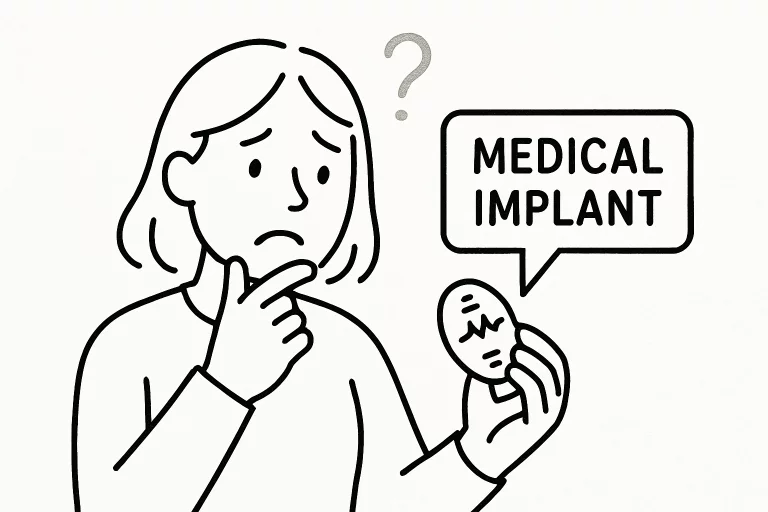
It’s difficult to fully grasp the emotional storm that can follow a medical implant recall unless you’ve lived through it. For many patients, the initial reaction is a sharp, almost primal anxiety—an urgent worry for one’s immediate health and safety. There might be a nagging fear of hidden risks, uncertainty about potential complications, or dread about undergoing another surgery. Psychological distress may express itself through insomnia, persistent worry, intrusive thoughts, or even full-blown panic attacks. Anxiety can be magnified by elusive symptoms and the lack of concrete information as patients await further testing and recommendations.
A particularly devastating consequence is the sudden loss of confidence in the device and the entire medical journey. It shakes the very foundation of trust that patients had in their doctors and medical advancements. The psychological toll is compounded when official communications are dense, technical, or unclear, and when the available information fails to address individuals’ specific circumstances. Patients are left to navigate feelings of confusion and vulnerability, sometimes questioning their past choices or harboring guilt. This persistent sense of exposure can interfere with daily life, interrupt work, and negatively affect relationships with family and friends. In many cases, the emotional burden becomes just as significant as the physical risks posed by the recalled implant itself. Without adequate emotional support, patients may carry this stress for months or even years. Over time, this prolonged anxiety can erode self-esteem and lead to long-term mental health challenges. It’s essential that healthcare providers and loved ones recognize these invisible wounds. Compassionate listening, transparency, and continued engagement are key to helping patients recover both mentally and physically.
The Role of Healthcare Providers
Healthcare professionals play a critical role in shaping the patient experience during a recall. Their ability to communicate openly, honestly, and compassionately can greatly change a patient’s trajectory from crisis to recovery. It is vital for providers to promptly inform patients of recalls, convey relevant information in accessible language, and thoroughly explain the risks, options, and next steps. Validating a patient’s anxieties rather than dismissing them promotes not only better understanding but also emotional healing. Honest conversation about potential outcomes—even when uncertainty remains—can reassure patients that their care team is committed to their safety and well-being.
Furthermore, providers must recognize the emotional trauma that often comes hand-in-hand with a recall and proactively offer access to mental health services. Making referrals to counselors or support groups can be indispensable for those struggling with anxiety, depression, or a sense of isolation. Empathetic communication goes beyond simply conveying clinical information; it requires providers to actively listen, acknowledge pain, and advocate for resources to support patients. When patients know that their emotional distress is seen and respected, it lays the groundwork for restoring trust, empowering them during the decision-making process, and guiding them through uncertainty. Engaging in follow-up conversations after the initial disclosure helps maintain a sense of continuity and care. It also ensures patients don’t feel abandoned once the recall has been addressed. Regular check-ins can help monitor both physical and emotional well-being as recovery progresses. Providers who foster transparency and compassion help bridge the gap between fear and healing. Ultimately, their approach can influence not only individual outcomes but also broader perceptions of the healthcare system.
Support Systems and Coping Mechanisms
The journey through an implant recall can be exceptionally lonely, but nobody should have to traverse it in isolation. Support systems—comprising family, friends, online communities, advocacy groups, and mental health professionals—are essential lifelines during this tumultuous period. For many, joining a patient support group, either online or in person, helps provide not only critical information but also reassurance and solidarity. These communities serve as safe spaces where patients can share frustrations, exchange advice, and confront fears openly, knowing they are not alone in their experience.
Professional counseling or therapy, whether individual or within a group, offers a more structured means to work through feelings of grief, anger, or helplessness. Therapists can teach practical coping strategies, such as mindfulness, stress reduction, and resilience-building exercises, that patients can use to manage daily emotional upheaval. In addition, patient advocacy organizations play a dynamic role by guiding individuals to reliable resources, providing education about navigating healthcare challenges, and even assisting in complicated discussions with insurance companies or providers. By leveraging these multiple layers of support, those affected by implant recalls can begin to rebuild emotional strength and move from crisis management to long-term healing. Emotional recovery often unfolds in stages, and having consistent support can ease the transition through each phase. Even small acts of connection—like a check-in call or shared story—can significantly uplift someone’s outlook. Encouraging open conversations with loved ones can reduce stigma and foster a more compassionate environment. Ultimately, these connections remind patients that their experiences are valid and that healing is not only possible but shared.
Legal and Financial Considerations
Beyond emotional and physical upheaval, implant recalls can precipitate significant financial and legal stress. Patients may need to shoulder costs for additional testing, corrective surgeries, or long-term monitoring, expenses that are sometimes not fully covered by insurance. These additional financial burdens can trigger anxiety about job security, family well-being, or the ability to afford ongoing care. The complexity increases when patients begin exploring their right to compensation or reimbursement, which often involves navigating insurance coverage battles, applying for financial aid, or weighing the merits of joining a lawsuit against device manufacturers.
Seeking professional legal guidance makes a critical difference in understanding and exercising your rights amid a recall. Talking with knowledgeable professionals is essential for those seeking legal recourse. These specialists can clarify who is eligible for compensation, help prepare claims, and provide critical insights into pending litigation or class-action settlements. By helping to protect patient rights and navigate complex systems, attorneys offer reassurance and practical relief, allowing patients to shift some energy away from worry and toward healing and recovery.
Moving Forward: Rebuilding Confidence
The aftermath of an implant recall can be daunting, but it also offers opportunities for growth, renewal, and the reclamation of confidence. The process of moving forward is unique for every individual, but universally, it involves reestablishing trust—trust in oneself, in the healthcare team, and in available support resources. Staying engaged with healthcare professionals, seeking patient-centered advocacy networks, and accessing up-to-date, factual information are all vital steps in rebuilding a sense of agency and balance. Patients who attend to not just their physical recovery but also prioritize emotional well-being tend to make the most comprehensive strides in their journey to health.
As individuals and entire communities better recognize the emotional and psychological toll of implant recalls, the emphasis on compassionate, coordinated care grows more urgent. Healthcare providers, legal experts, advocacy organizations, and patient networks can collectively empower those affected to regain peace of mind and confidence in their health journey. Acknowledging the profound impact of these experiences—and intentionally building systems of understanding, empathy, and advocacy—paves the way for both individual healing and systemic improvement in patient care.