Best Way to Sanitize Baby Toys: A Parent’s Complete Guide to Safe, Germ-Free Play
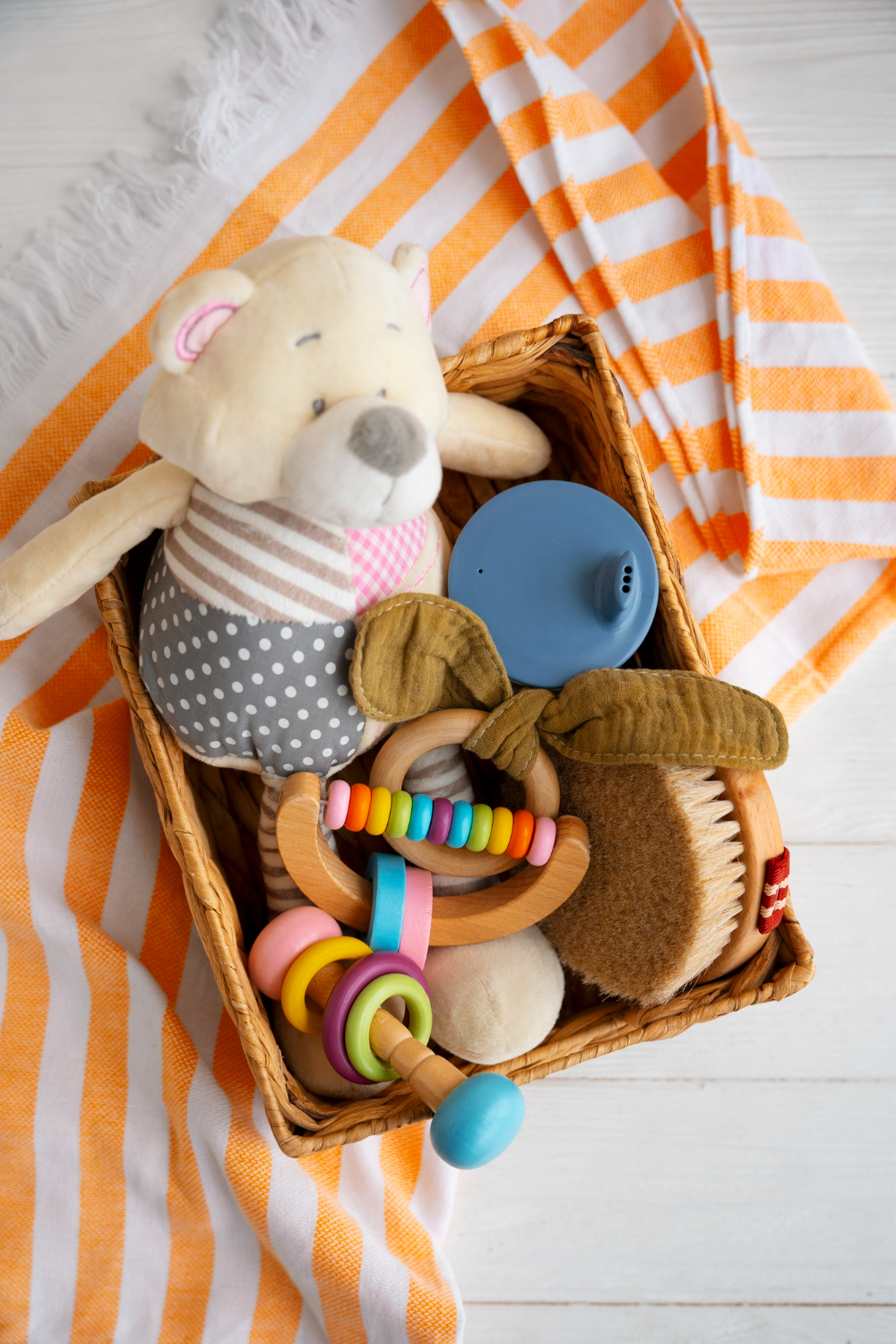 Babies explore the world with their hands—and their mouths. From teething rings to rattles dropped on the floor, toys are constantly exposed to germs, saliva, and everyday dirt. Knowing the best way to sanitize baby toys is essential for protecting your child’s developing immune system while still allowing safe, enriching play.
Clean toys go hand in hand with safe outings, whether at home or on the go. Parents who frequently travel with a stroller for infants often notice how quickly toys pick up bacteria from public surfaces, making regular sanitizing part of healthy baby care. The good news? Keeping toys clean doesn’t require harsh chemicals or complicated routines—just the right methods for the right materials.
This guide breaks down why sanitizing matters, which cleaning methods are safest, and how to build a realistic routine that fits busy parenting life.
Why Sanitize? Understanding the Importance of Clean Toys
Babies have immature immune systems, especially in the first year of life. While some germ exposure is normal and even beneficial, toys can harbor bacteria, viruses, mold, and yeast—particularly when they are mouthed or shared.
Common risks include:
- Cold and flu viruses
- Gastrointestinal bacteria
- Mold buildup in bath toys
- Germ transfer between siblings or daycare peers
Sanitizing toys helps reduce illness frequency, prevent reinfection during sickness, and protect babies who are teething, crawling, or frequently touching their faces.
That said, sanitizing does not mean sterilizing everything daily. Balance is key—targeting high-risk toys and situations without overexposure to harsh chemicals.
The Go-To Method: Simple Soap and Warm Water Hand Washing
For most baby toys, soap and warm water is the safest and most effective cleaning method.
Best for:
- Plastic toys
- Silicone teethers
- Hard rubber toys
- Rattles without electronics
How to do it:
- Fill a basin with warm water
- Add mild dish soap (fragrance-free preferred)
- Scrub toys thoroughly, paying attention to crevices
- Rinse well to remove residue
- Air-dry completely
This method removes dirt, saliva, and most germs without introducing chemicals that could irritate the baby’s skin or mouth.
Pro tip: Clean toys immediately after they fall on public floors or are shared with other children.
Appliance Power: Using the Dishwasher and Washing Machine for Toys
Appliances can save time—if used correctly.
Dishwasher-safe toys
Many plastic and silicone toys are dishwasher-safe.
Use this method when:
- The toy is labeled dishwasher-safe
- No batteries or electronic components are present
Tips for success:
- Place toys on the top rack
- Use a gentle cycle
- Avoid high-heat drying if the toy may warp
Washing machine for fabric toys
Soft toys, fabric books, and some plush animals can be machine-washed.
Best practices:
- Use a mesh laundry bag
- Wash on gentle cycle
- Use baby-safe detergent
- Air-dry when possible
Always check the care label first to avoid damage.
Natural Disinfectants: Harnessing the Power of Vinegar and Boiling Water
Some parents prefer natural sanitizing options, especially for toys babies mouth frequently.
Vinegar solution
Vinegar has mild antibacterial properties.
How to use:
- Mix equal parts white vinegar and water
- Soak hard toys for 10–15 minutes
- Rinse thoroughly
Vinegar does not kill all viruses, so it’s best for routine cleaning—not illness outbreaks.
Boiling water
Boiling is highly effective for heat-safe toys.
Best for:
- Silicone teethers
- Pacifiers (check manufacturer guidance)
How to do it:
- Submerge toys in boiling water for 3–5 minutes
- Remove carefully and air-dry
Never boil toys with glued parts, paint, or plastic not rated for high heat.
Chemical Cleaners: Safely Using Diluted Bleach and Wipes on Hard Toys
Chemical disinfectants should be used sparingly and strategically, not daily.
Diluted bleach solution
This is useful during illness outbreaks or daycare exposure.
Safe dilution:
- 1 tablespoon bleach per 1 gallon water
How to use:
- Soak toys for 2 minutes
- Rinse thoroughly
- Air-dry fully
Disinfecting wipes
Alcohol- or bleach-based wipes can be used for:
- Toys dropped in public places
- Quick cleanups while traveling
Always let toys dry completely before returning them to the baby.
Never mix chemicals or use strong cleaners not labeled baby-safe.
The Plush Puzzle: Best Practices for Cleaning Stuffed Animals and Fabric Toys
Stuffed toys are comforting—but they also trap dust, saliva, and germs.
Cleaning methods:
- Machine wash if label allows
- Spot clean for delicate toys
- Freeze toys overnight to kill dust mites
Drying is crucial. Damp plush toys can develop mold, which is far more dangerous than surface germs.
Tip: Rotate plush toys so each one has time to be cleaned and dried thoroughly.
Special Care: Cleaning Electronic, Wooden, and Bath Toys
Electronic toys
Never submerge electronic toys.
Instead:
- Remove batteries
- Wipe with damp cloth and mild soap
- Disinfect surface with baby-safe wipes
- Dry completely before reinserting batteries
Wooden toys
Wood is porous and sensitive to moisture.
Best method:
- Wipe with damp cloth and mild soap
- Avoid soaking
- Air-dry immediately
Occasional vinegar wiping is acceptable but should be minimal.
Bath toys
Bath toys are high-risk for mold.
Prevent mold by:
- Choosing mold-resistant designs
- Squeezing out all water after use
- Sanitizing weekly with hot water or diluted vinegar
If mold appears inside sealed bath toys, discard them.
Establishing a Routine: How Often Should You Sanitize Baby Toys?
You don’t need to clean everything every day. Focus on risk-based frequency.
Daily:
- Teethers
- Toys that go in the mouth
Weekly:
- Frequently handled toys
- Bath toys
Monthly:
- Plush toys
- Shelf toys
Immediately:
- After illness
- After exposure to public floors or daycare
- When toys are visibly dirty
Creating a simple rotation system prevents overwhelm while maintaining hygiene.
Final Thoughts: Clean Toys, Not Constant Stress
The best way to sanitize baby toys isn’t about perfection—it’s about consistency, safety, and balance. Soap and water handle most situations, while stronger methods are reserved for illness or high-risk exposure.
Babies thrive in environments that are clean but not sterile, allowing their immune systems to develop naturally while minimizing unnecessary illness. With the right methods and a realistic routine, sanitizing toys becomes a manageable part of everyday care—freeing you to focus on what matters most: enjoying your baby’s growth, play, and discoveries.